U.S. tariffs were placed on countries worldwide in April 2025 and continue to change today. These tariffs were implemented to encourage American consumers to purchase American-made products. But most goods cannot be made on the scale needed for American consumption. This leaves millions of American businesses having to spend more money to maintain their supply to meet demand.
These tariffs don’t just affect corporate giants but also heavily affect millions of local businesses, like Ann Arbor’s beloved TeaHaus.
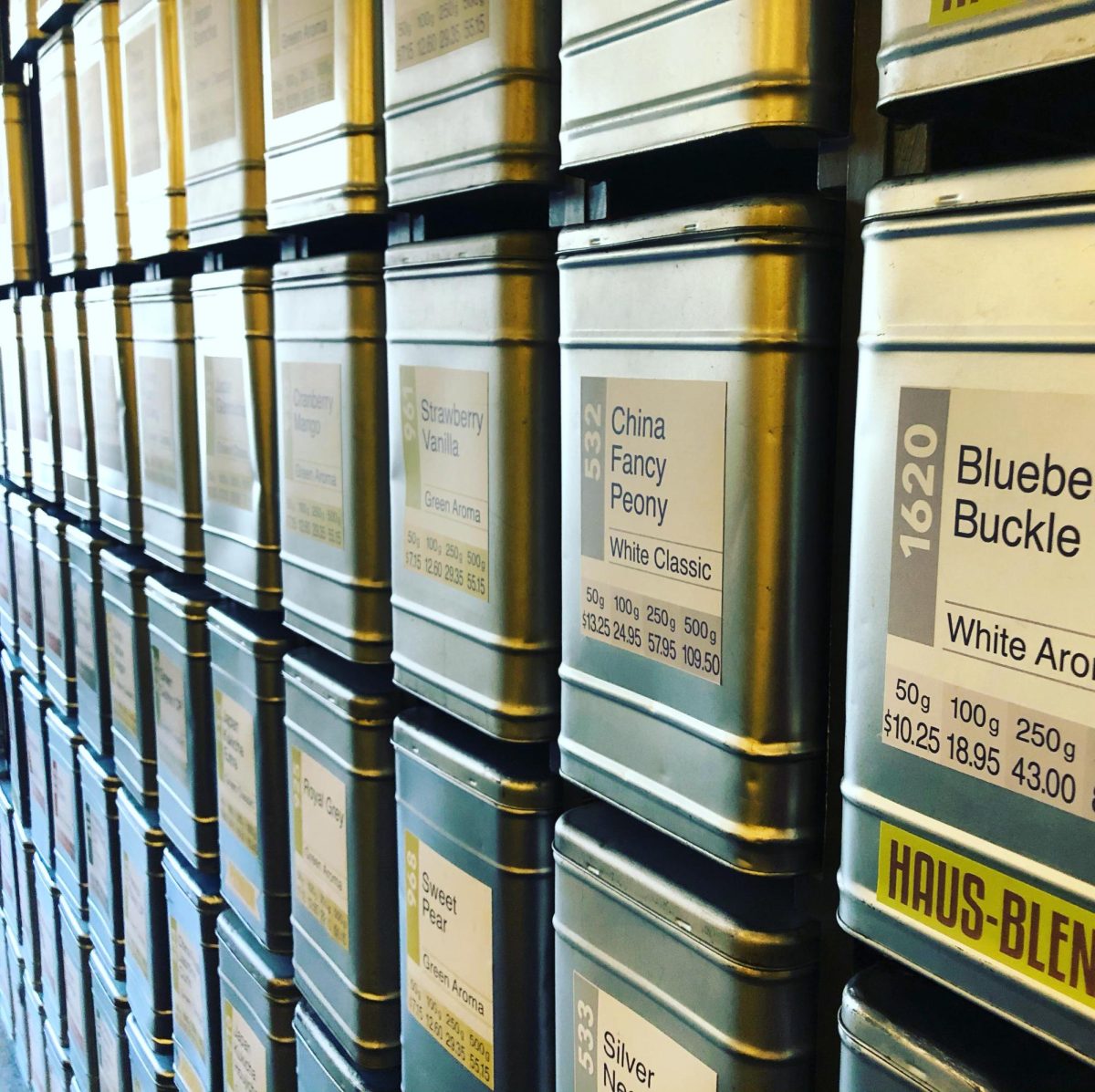
TeaHaus, opened in December 2007 by Lisa McDonald, is a tea and pastry shop with over 250 teas from around the world. Due to the new tariffs, tea shipments have now become even more costly than before. Tea is almost exclusively grown outside the U.S. because most of the U.S. climate is not suitable for the growth of tea.
“Even though there are a few boutique tea gardens in the U.S., it is not grown on the scale to supply the U.S. tea market,” says McDonald. “I understand if tariffs were reciprocal or on goods that were readily available in the US, but blanket tariffs don’t make any sense to me.”
Between the blanket tariffs, shipping costs, and the exchange rate, the cost of tea has gone up roughly 40%. It is not just the uncertainty of tariffs but also the weak dollar and the difficulty in finding reliable international shipping that all make running a small business harder right now.
“My merchandise is also being affected, but it is at least a little easier to find items that ship from within the US,” says McDonald. “I know I can’t raise [my prices] as high as my cost. I know my profit margins will be even lower than they already are on many of the specialty teas.”
Loose-leaf tea is a luxury product, unlike a carton of eggs or milk, which are deemed necessary. Because of this, it is challenging for McDonald to decide how much TeaHaus is able to charge while still maintaining sales. Since the tariffs have started, TeaHaus has not yet raised its prices, but will eventually raise them to keep the tea flowing.
Teahaus is not the only business in Ann Arbor that is feeling the pressure of the tariffs. Many local stores, cafes, and restaurants that rely on imports are having similar issues. The best way to support local businesses right now is to shop local. Businesses like TeaHaus rely on people in their communities to help their business thrive.
Note: Andrew Hewko is Lisa McDonald’s son.