The way you fuel your body before practice can really affect your performance. Athletes prepare for practice in many different ways. For example, some athletes eat healthy fruit like bananas, strawberries, and raisins, while others might eat junk food.
“I have a banana, peanut butter, and I have protein bars,” says student athlete Olivia Papajcik (‘29).
While it may seem insignificant, fueling your body correctly can prevent cramps, dehydration, and help energy levels, enhancing your overall performance.
“The number one thing you need to do is get a good night’s sleep,” says Skyline nurse Mary Delis. “Everybody needs a different amount, but especially young athletes need a lot of sleep, probably eight to nine hours. So [also make sure] that you’re fueling yourself. You guys are still growing. Your metabolism goes faster…. You need to stay very well hydrated…. Then you have to eat a good, healthy, balanced diet. Make sure to eat good meals, healthy meals, hitting all the food groups, getting protein, green vegetables and lots of fruits.”
There are many types of foods you can use to properly fuel your body. Foods like carbohydrates and protein are the primary food groups to focus on. Sometimes just a bar or a casual treat is also actually used as a legit recovery combo.
“My recommendation is to go for more whole foods rather than processed foods,” says Skyline English teacher and track coach Serena Kessler. “So having an apple and peanut butter or those kinds of foods I think are best. But the reality of our lives is sometimes you just need a bar. The fewer ultra processed ingredients, the better. Like, a Kind bars are great. Luna bars are good. But again, I think it just really depends on what’s most digestible for the athlete.”
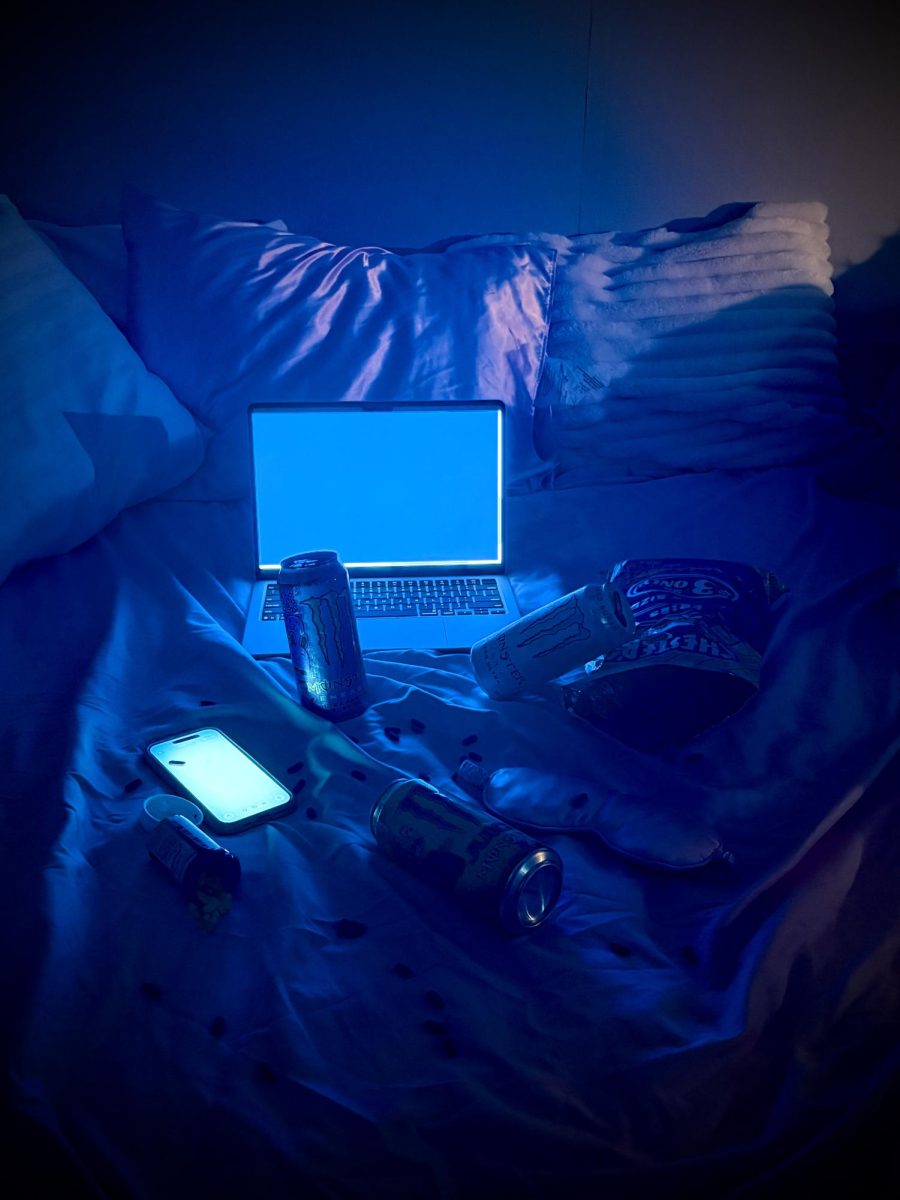
While sleep is important for everyone, athletes especially need an hour or more than the normal recommended time each night before practice. Even though it may be hard to limit, using screens before bed can seriously decrease the quality of sleep.
“Limit your screen time, especially in the evenings, after school and right before bed,” says Delis. “You need good sleep hygiene. They [say] to be off the screen for at least two hours before bedtime… You’ll really get more restful sleep if you’re looking off the screens.”