Everyone pulls all-nighters once in a while. Losing sleep won’t affect anyone that much… right?
Even though getting 4 to 6 hours a night might not seem like a big deal, there can be dangerous effects that you probably won’t consider. Sleep allows your body to do very important things. It is essential in order for you to function.
“So there’s a lot of microscopic work happening essentially when we’re sleeping,” says Skyline Biomedical Science teacher Monica West-Jones. “Even though we get our actual energy from eating, sleeping is still super necessary for us to live healthy, normal lives and feel functional.”
Because our body does many important things during sleep, even a small amount of sleep deprivation can impact your brain function and immune system, causing noticeable differences in how you feel.
“Short term effects: you’re going to probably get sick,” says Skyline school nurse Mary Delis. “Your immune system isn’t going to be as strong if you’re not getting enough sleep and enough rest recharging your brain. [You] can be depressed, all those things like that.”
You may think that the issues from not getting a sufficient amount of sleep are limited to drowsiness and some of the other short term effects you may have experienced, but this is not the case. Overtime, consistent sleep deprivation can have many serious impacts. Long term, according to Johns Hopkins Medicine, there is a 33% higher risk of dementia, 36% higher risk for colorectal cancer, and a higher risk of depression. These are just a few of the many risks that sleep deprivation causes over time.
According to Delis, there is a three times higher risk for type two diabetes. It impacts your immunity, causes high blood pressure, increased risk of heart disease up to 48%, and makes you three times more likely to catch a cold.
In general, teens have a higher sleep requirement than adults; 8-10 hours. It is important to adjust your schedule and habits to meet those needs.
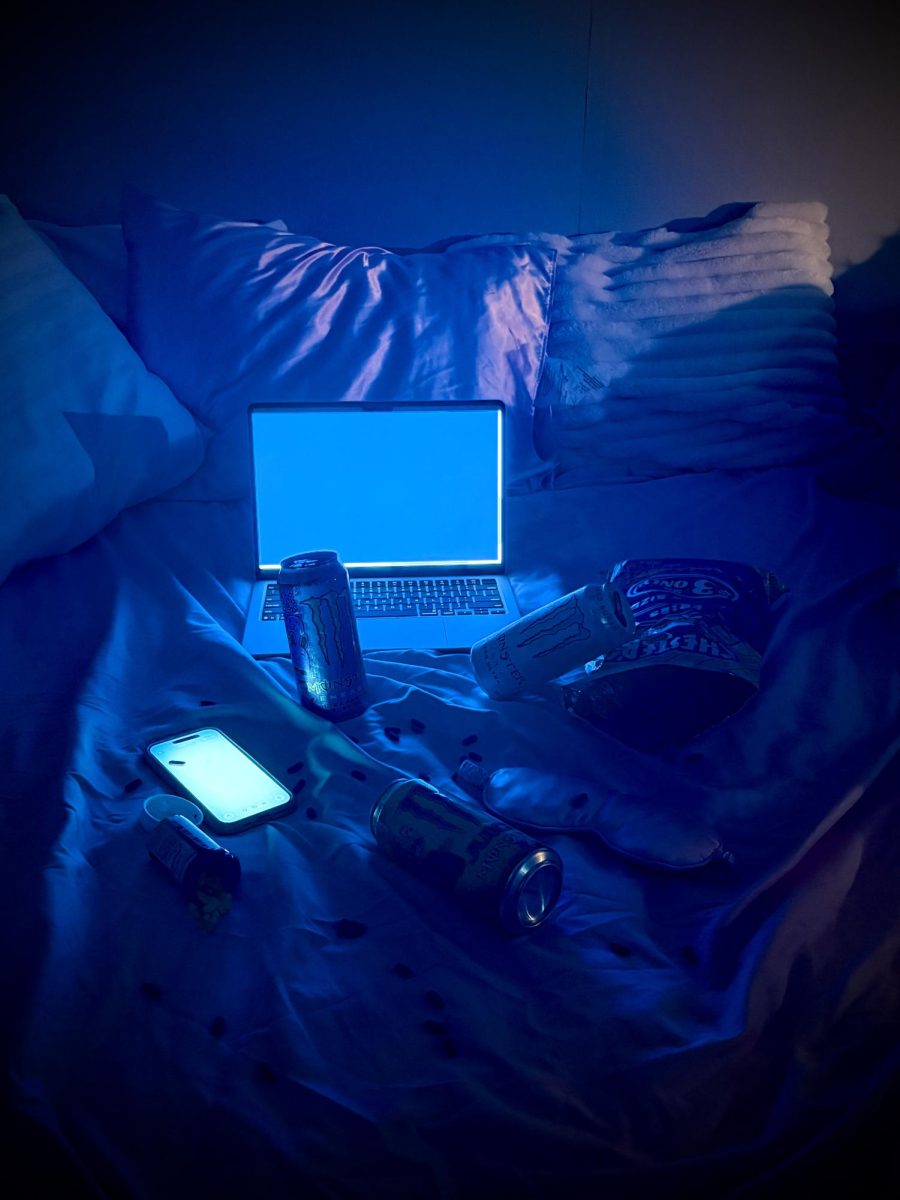
As a teenager, managing your schedule to achieve a sufficient amount of sleep can be hard, but there are some good ways to do so. For example, staying off of your screen at night is crucial in order to get proper rest. According to Harvard Health Publishing, the light coming from screens cuts off melatonin (the hormone that makes you tired), so you may not feel tired even though your body needs sleep.
Another beneficial thing you can do is block out noise that could be keeping you awake using heavy curtains, rugs, or a sleep machine that provides calming noise. Making your sleep environment comfortable, following a specific bed time routine of your choice, and establishing daytime habits that optimize restful sleep at night can all be very beneficial.
“That’s where we talk about good sleep hygiene, what they call it now, trying to set a normal sleep pattern so you go to bed at the same time every night, turn off screens, no devices,” says Delis. “Make your sleeping space quiet, cool, [and] dark. If you need some sort of a white noise, use that to block out other sounds, because sometimes that’s soothing for people. Eat a good, healthy meal [and] don’t have any caffeine or anything before bedtime.”
Many people drink energy drinks or other caffeinated substances to avoid feeling drowsy, with half of it still being in your system after 5 hours. This is why it is important to not drink caffeinated substances in the afternoon. It is also worth noting to be cautious of the fact that caffeine can also affect your heart, especially when a significant amount is consumed.
“I do find that [it] is very helpful to drink coffee, but it can be dangerous, and it does elevate your heart rate,” West-Jones says. “Like, I know my heart rate is always elevated [after drinking] coffee. And so I try to imagine, one of those Celsius cans, which is a really popular energy drink I see students drinking, I believe they’re the equivalent [to] two cups of coffee.”
Getting proper sleep is very important so you can avoid these health risks. Talk to your doctor if you have any concerns about your health.