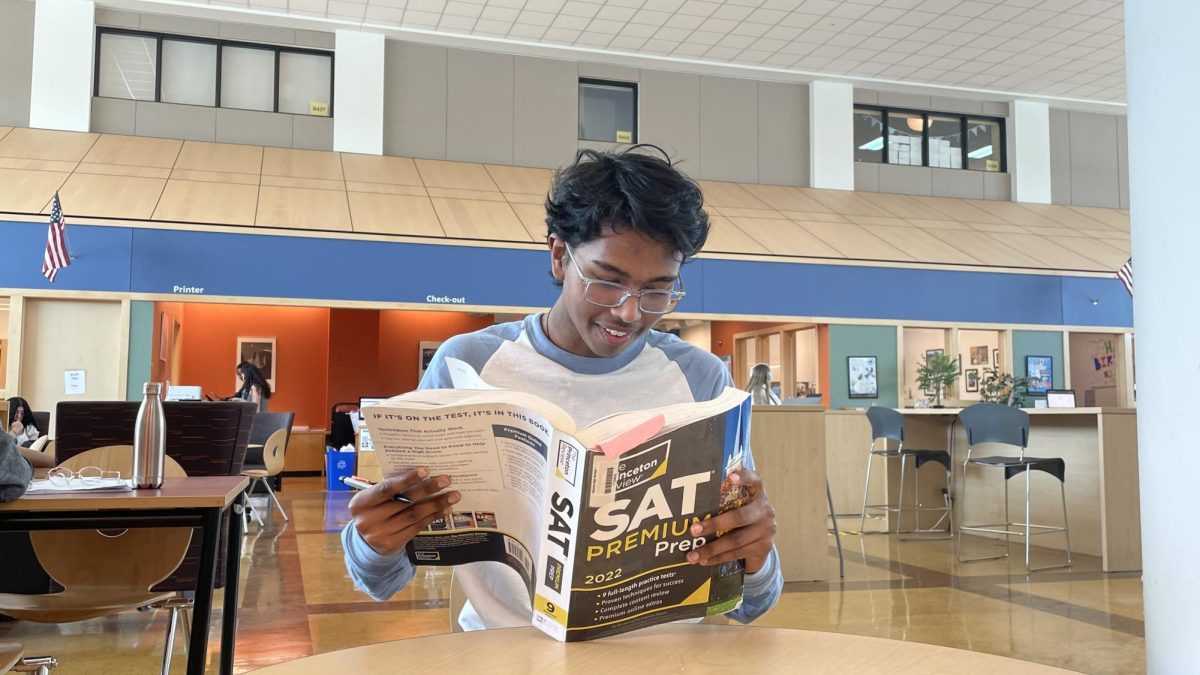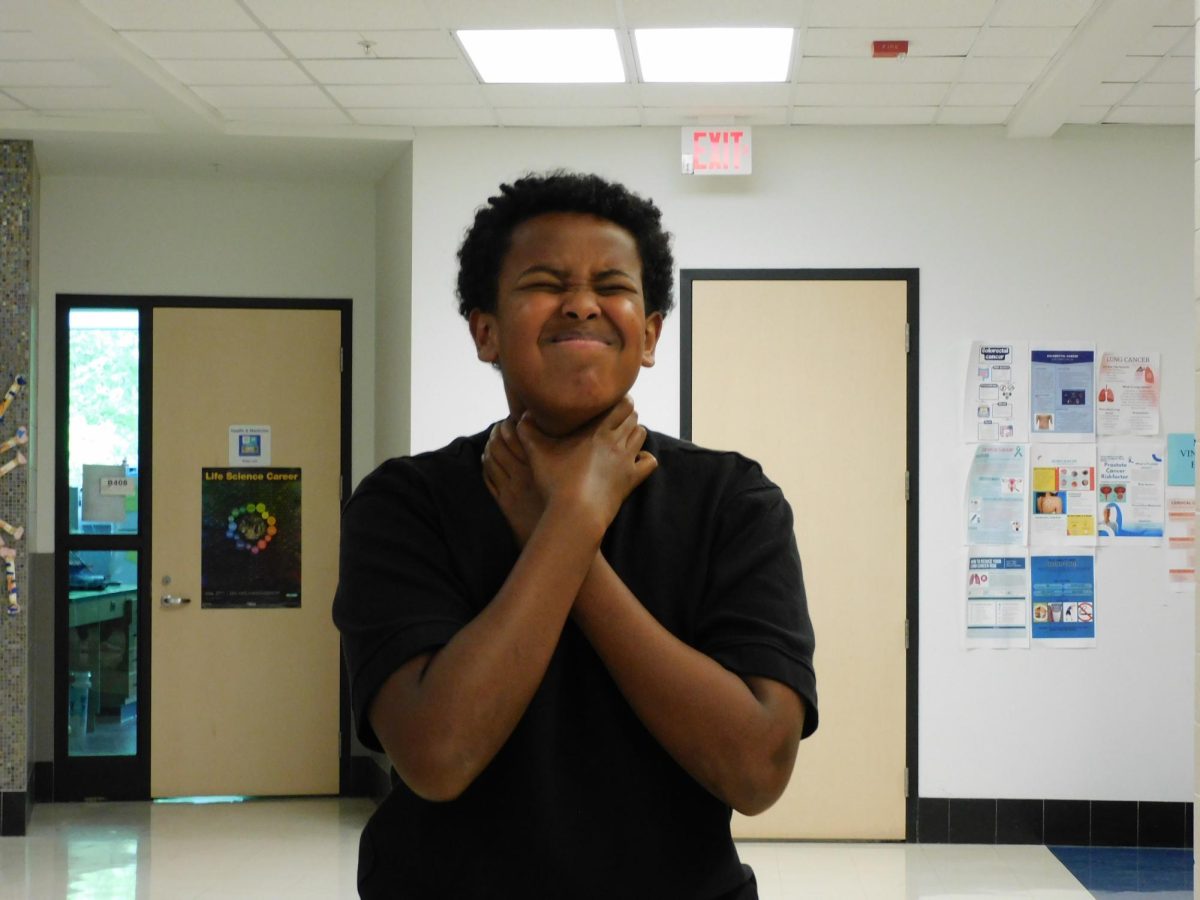
For months, Skyline students spend their days studying for AP exams, finishing practice problems, and trying to keep up with heavy workloads. Hallways fill with the conversations about test formats, caffeine, and stress.
But after the exams finally end, students say the pressure does not just disappear overnight.
Instead of feeling relaxed, many students report feeling mentally exhausted, unmotivated, or drained after weeks and months of nonstop pressure.
Ryan Zhang (‘27) originally signed up for seven AP exams this year, but later decided not to take all of them after experiencing burnout during the AP season.
Zhang said one of the first signs of burnout was constantly overthinking and feeling guilty whenever he was not studying. Over time, the stress became harder to deal with every day.
Even though Zhang said he felt relieved after AP exams ended, the experience made him rethink how much pressure students put on themselves during AP season.
“I would probably study more and not sign up for seven exams,” Zhang said.
Oliver Marsh (‘26), who took AP Literature and AP Psychology, said the end of AP season felt both relieving and strange at the same time.
“I feel like my motivation stayed the same, but I was a little bit more burnt out,” Marsh said.
Marsh explained that after spending months thinking about exams and assignments, having less work now feels strange.
“It feels a little bit weird,” Marsh said. “Now I’m done with all my classes except Lit.”
Marsh also said that burnout during AP season is something many students experience, even if they do not talk about it with others.
“It happens to all of us,” Marsh said.

Sophia Zheng (‘27) said the stress of AP season did not completely go away after exams ended. After taking five AP exams, Zheng said that she still felt exhausted while already starting to think about college applications and other responsibilities.
“After my AP Stats exam specifically, I took like a five-hour nap,” Zheng said.
Zheng explained that the hardest part of the AP season is often not the classes themselves, but how many exams are packed closely together.
“Once the AP exams are all together, it’s like you have exams back to back,” Zheng said. “And that’s a lot more.”
As the school year comes to an end and students begin looking forward to the summer, many people are finally getting a chance to rest after months of pressure. But for some Skyline students, AP season leaves behind more than just scores and grades.
Counselors and teachers at Skyline say the burnout many students experience after AP exams is not unusual, especially after months of constant academic pressure.
Counselor Dennis Brunzell explained that many students spend the entire school year building toward AP exams, which can make it difficult to regain motivation once the tests are over.
“A lot of kids are kind of unmotivated and burnt out because for a lot of people, everything led up to that test,” Brunzell said. “They don’t realize there’s still another month of school after that test.”
Bruzell also emphasized that students often forget that the AP exam itself is separate from the class.
“The test is not the class,” Brunzell said. “The class goes until June.”
According to Brunzell, the emotional exhaustion students feel after AP exams is understandable because many exams last several hours and require intense focus over long periods of time.
“It’s mentally exhausting,” Brunzell said. “It’s running a marathon.”
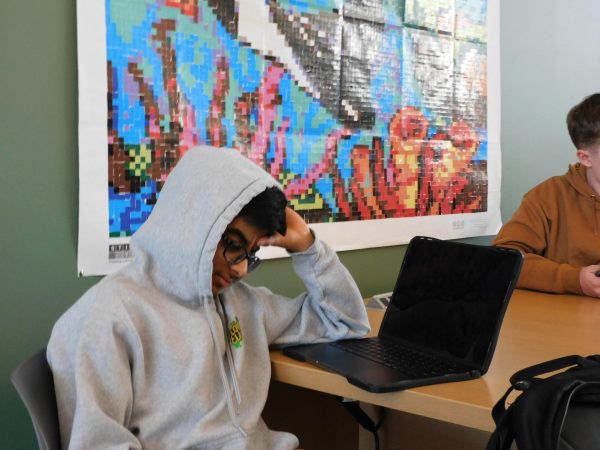
Brunzell added that while it is normal for students to feel tired after AP exams, students should still try to recover in healthy ways and continue finishing the school year strong.
“It’s okay to feel exhausted after the test,” Brunzell said. “That’s natural.”
AP Physics teacher David Greene said he also notices students mentally checking out after the AP exams end, especially seniors whose high school careers are nearly over.
“By the time they’re done with that, they’re toast,” Greene said. “Literally, they are done.”
Greene said many students shift their attention span towards prom, graduation, and summer plans after exams. This makes it difficult to stay focused in class during the final weeks of school.
To avoid burnout, Green encouraged students to prepare earlier and find balance instead of pushing themselves to extremes.
“For a lot of students who are extremely overachieving, it’s one or the other,” Greene said. “Either they’re hyper focused…or they’re totally shut down.”