As generative Artificial Intelligence continues to infiltrate every corner of the internet with alarming speed, more and more users find themselves falling for the same trap: laughing at a funny video or photo, maybe even sharing it with friends, and then realizing the shocking truth – it’s a completely fabricated AI fantasy.
AI’s ability to evolve from creating over-saturated, obviously fake images to realistic portrayals of everyday life has raised the frightening question: can we keep up?
When AI images first started to rise in popularity, there was an assumption that the younger generations (Gen Z and Alpha, to be specific) were more adept at identifying a false image versus a real one. This results from a combination of increased familiarity with digital tools and more everyday exposure than average.
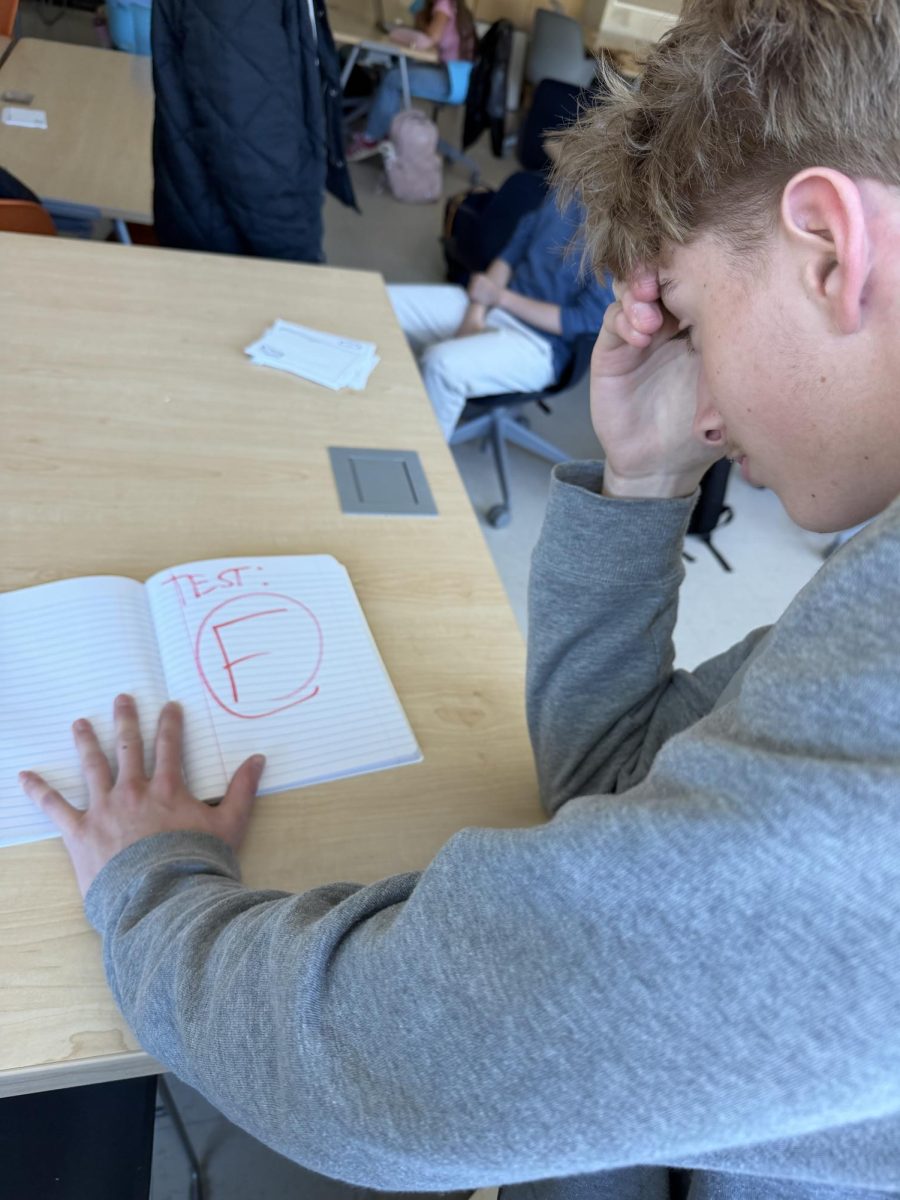
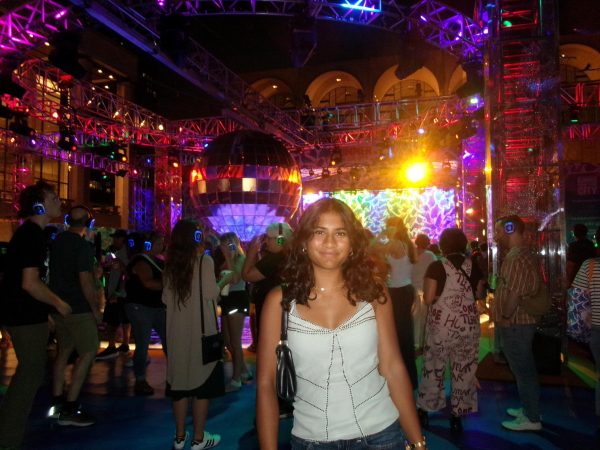
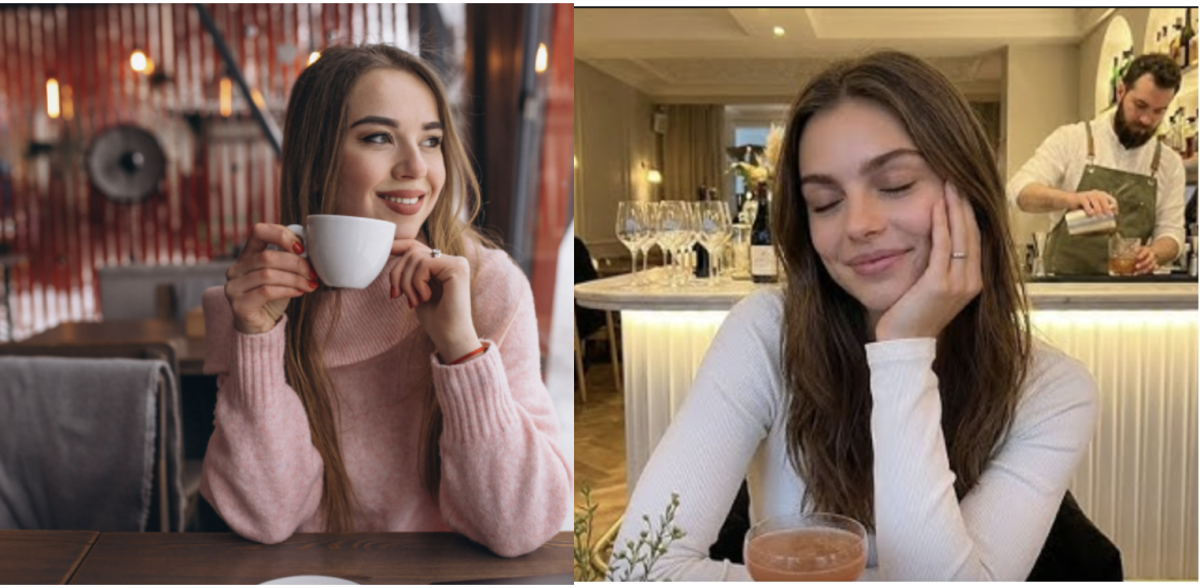
However, a recent survey by The Skyline Post filled out by over 120 students shows concerning results: when presented with a comparison of a real, stock image to a hyper realistic image generated from Google’s newest AI generator, Nano Banana Pro, 75% of students incorrectly identified the AI image. This data showcases a frightening shift: society’s most technologically savvy generations are starting to fail at the task of identifying a real versus fake photo.
However, not all hope is lost. AI often has small, offputting details – its version of human error – that can help a user when trying to decipher if something is a real or fake image. After consulting The Kellogg Institute, The BBC and NPR, here is a comprehensive list of telltale things you should look for before deciding whether a photo is AI or not.
- Focus on the details
The first thing to consider when surveying a photo is if the more unconventional aspects of the photo look realistic. The BBC says that since “AI images are produced using data taken from other photos, AI programs often struggle with details consistent with the rest of the photo.”
Looking for details such as specific labels or words, distorted anatomy (especially hands and eyes), unnatural lighting/shadows, and blurry/pixelated areas of the photo. These are aspects AI often fails to realistically portray and are a significant sign the photo or video clip isn’t real.
2. Be suspicious of perfection
It’s a universally known fact that no one or thing is perfect, so why should a photo appear so? Even in this age of massive, megapixel cameras most photos still have signs of human imperfections: textured skin, flyaway hair, or wrinkled clothes. When describing AI photos in comparison, The Kellogg Institute says “the skin might be waxy and shiny, the color oversaturated, or the face just a little too gorgeous.” A common piece of advice is for users to ask themselves if the photo they’re suspicious of looks like something they might be able to imagine in real life, looking normal and cohesive with the human world.
3. Use your sources to verify
If there are details that might indicate an AI generated image, but you’re not 100% sure, a helpful tool to employ can be google reverse image search. Generally, a non-AI photo will appear multiple times from different reliable sources. BBC says this “can be very helpful when trying to determine if a picture is AI or real.”
Additionally, there are hundreds of AI identifying platforms online such as Decopy AI, Sightengine, Truth Scan, and many more. Using these can be a way to double check suspicions. Speaking of double checking, it never hurts to ask those around you. Often having a new set of eyes can help identify small details that you may have skimmed over or disregarded.
4. Employ common sense to evaluate scenarios
The last tip is to approach anything that may seem unusual or implausible with a grain of salt: AI models often lack context, and may be used to generate images that would never occur in real life. Common examples are prominent celebrities enthusiastically endorsing political candidates, funny or disturbing animal videos, and public figures wearing unconventional outfits.
A specific case is a set of AI images of Pope Francis wearing a large, designer puffer coat along with a diamond cross necklace that went viral in 2023. This photo was so believable that multiple public figures and celebrities reported online that they had believed it to be true until the fact that it was AI generated became a widely known fact. However, there were many telltale signs that this image was false from the get-go. Visually, his hands are distorted and his skin seems unnaturally sharp. Also, Popes are generally known for leading humble lifestyles without having much attention towards excessive material possessions or “status” symbols like cool clothing, and this photo gave off the impression that Pope Francis was wearing an expensive, trendy new item – a fact that completely contrasts all previous preconceived notions about Popes.