176 years ago, Emily Brontë published Wuthering Heights. It’s a tragic tale of generational abuse, trauma, racism, and class division. The story was so dark and twisted that the Victorian critics couldn’t handle it, therefore Brontë died without knowing its success.
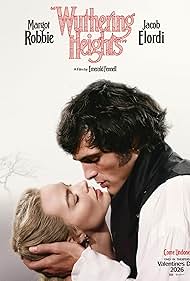
On February 13th, 2026, “Wuthering Heights,” directed by Emerald Fennel and starring Margot Robbie and Jacob Elordi, was released to theaters. As an avid lover of the book, I was shocked when the movie was marketed as the “greatest love story ever told.” I naively hoped that the film would be able to capture haunting themes from the book.
I was sorely mistaken.
An Abusive Relationship is Idealized
My largest complaint is the romanticization of a destructive relationship. Those who have read the book know that Heathcliff and Cathy’s connection is more of a forest fire than a love letter, burning everything and everyone. Both are selfish, cruel, and just plain annoying.
In the book, Heathcliff is driven by greed, revenge, and jealousy. In the movie, he is driven by one thing: love. Book Cathy is a spoiled brat. Movie Cathy is a young woman swept off her feet and hopelessly in love. The audience feels sympathetic for Heathcliff and Cathy; Brontë rolls over in her grave. He’s not meant to be a hero, nor is Cathy meant to have any redeeming qualities. Cathy’s higher social standing only adds to her entitlement and Heathcliff’s lower prestige contributes heavily to his hunger for revenge on those who have wronged him.
If you can look past the love story that Fennel shoves down the audience’s throat, themes of control are present. Heathcliff tells Cathy he’ll “never leave” and Cathy declares that Heathcliff is more of herself than she is. This seems romantic, but actually displays how intertwined they are, a level of obsession that isn’t healthy or cute. But again, that’s only for people paying close attention. The darker themes are sugarcoated and swept under the rug: the audience is distracted by the undeniably photogenic Robbie and Elordi.
Meaning of Heathcliff’s Character Shifted
In older adaptations of Wuthering Heights, Heathcliff has been cast as a white male. In the novel, Heathcliff is racially ambiguous, but it is widely accepted by literary critics that he is not white. His darker skin adds to the abuse and separation he faces as a child, which drives the way torments those around him as an adult. In the 2011 movie, James Howson was the first biracial man to take the role. I found it odd that Elordi was cast. In the movie, Heathcliff’s traumatic childhood feels random to modern American audiences not used to problems with class discrepancies. What could have been a statement about the dangers of isolation and dismissing people as “other” completely falls through and disappoints viewers wanting at least a semi-faithful adaptation.
An Unfortunate Excuse
I never thought I’d be offended by punctuation. In interviews, Director Emerald Fennel said that the title was “Wuthering Heights” for a reason: the quotation marks are intentional. Fennel was attempting to establish that it’s not a direct adaptation.
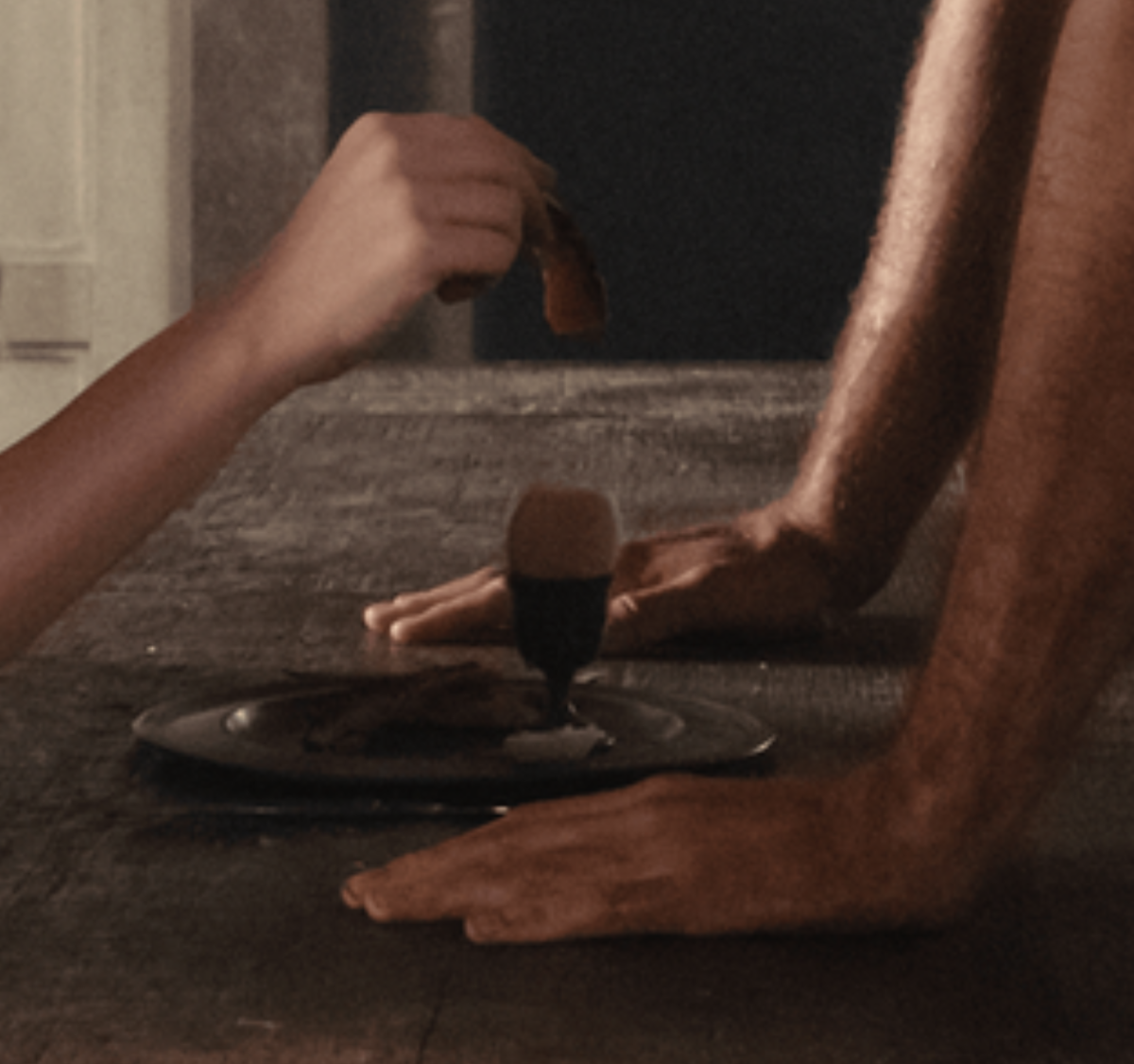
But then why take the title at all? The only things that were similar was that there was a Cathy, a Heathcliff, the time period, and the setting. Other than that, there is nothing reminiscent of the book. The abundance of overly sexualized scenes feel awkward, especially if you choose to go with your parents or other adult figures. This could have just been passed off as another period piece rather than a vulgar film masquerading as a classic.
As with all art, this movie is subjective. Perhaps there were details I missed, metaphors disguised as uncomfortably crude scenes. After the show, tears were literally shed in the theater. It left me wondering if I’d missed something. I wasn’t moved to tears: I was unsettled and disappointed.
If you decide to watch this movie, read the book first. I would also recommend going with friends rather than family, as the “R” rating was definitely deserved.