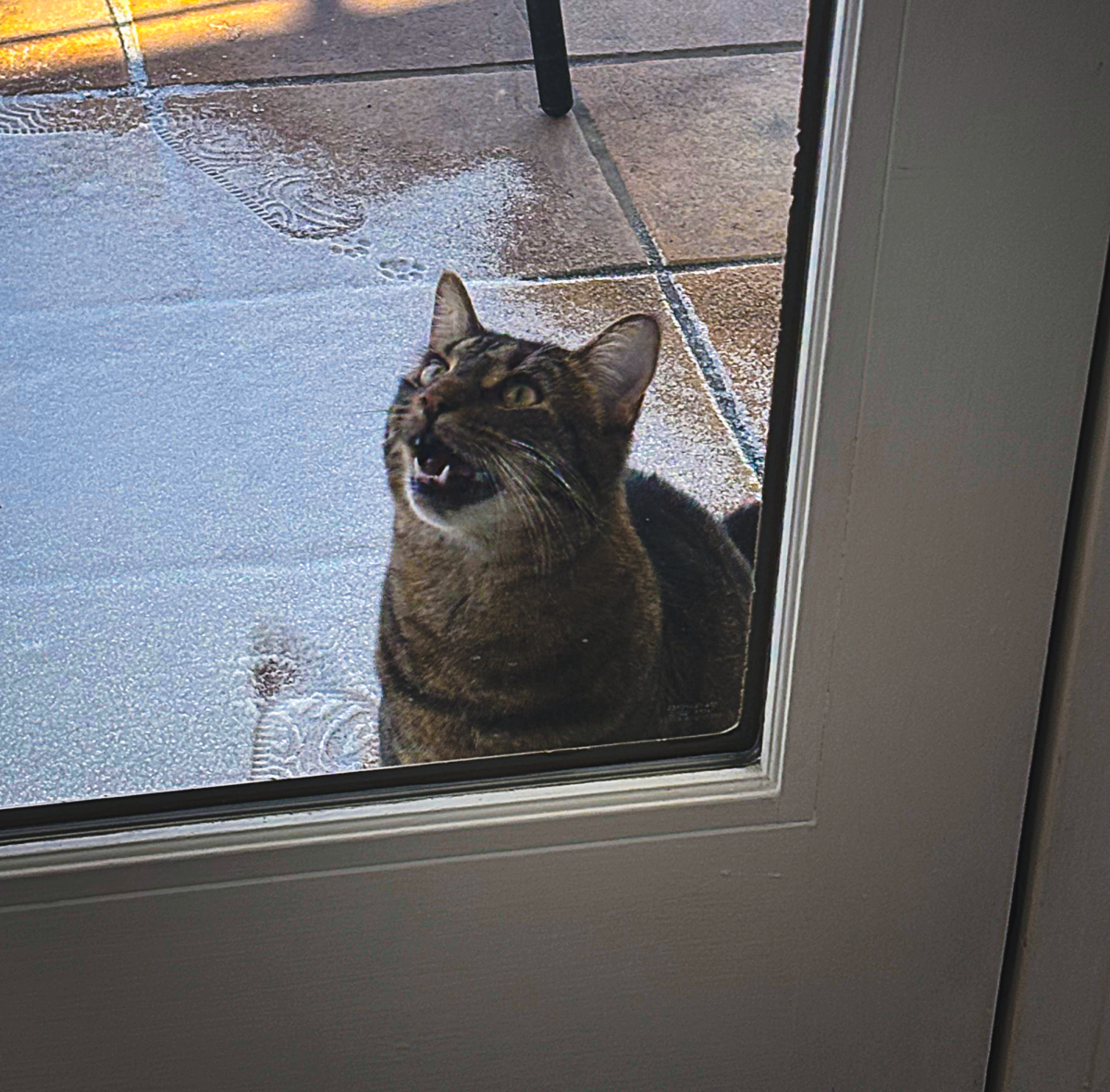
Many pets die or face serious injuries because their owners are oblivious to the many potentially fatal dangers that can be harmful to animals during the winter.
“We deal with a lot of animals that have experienced pain …or delayed medical care is what animals, unfortunately, can end up in our care with,” says adoption Supervisor Lucas Richmond at the Humane Society of Huron Valley.
Here’s what you have to know to help keep your pets safe.
What are the main risks?
According to the Animal Emergency and Referral Center of Minnesota, household chemicals like antifreeze, cold medicine, and hand warmers can be very harmful for your pet if consumed. During the winter, it can be surprising what pets will get into when indoors for longer periods of time, bored and full of energy.
There are many chemicals your pet could be exposed to that you might not think about. Many salts used for de-icing roads can irritate your pets paws. If a pet ingests road salt by licking its paws, it could unfortunately result in your animal’s death if not quickly addressed.
“Specific concerns would be salt that is not safe for pets to consume,” says Richmond. “[A] homeowner, for example, could be buying something and not realizing that it’s not dog safe. So something that you’re really wanting to be investigating [are] the brands that you use, as well as all kinds of products you could buy for personal heating, like hand warmers,… You could think, …it’s in my pockets. And then the dog gets to it.”
Conversely, prolonged exposure to the cold can bring on hypothermia and frostbite. Frostbite can lead to loss of ears, eyes, paws, tails, and limbs.
How can owners avoid risks?
Once you know how important it is to keep hazards away from your animal, you are better equipped to be diligent with ensuring minimal exposure to your animals.
Keeping all toxic winter chemicals completely away from pets, putting clothing on your pets when outside, and limiting time outdoors are all important during the winter.
“…We typically put him in a sweater,” says Skyline student, Eleanora Ritter Verela (‘29). “Sometimes it’s really, really cold, but when it’s dangerously cold, we don’t really take him out that much, we try [to] limit it…”
Limited time outside and using booties are very effective, but certain methods become difficult with sensitive animals. Richmond explains that balms can also help with chemical burns, cracks, and painful irritation due to road salt as an alternative for animals who refuse to wear booties. You can get many different types on Amazon, PetSmart, or Petco.
When is it time to take your pet to the vet?
It may be hard to tell if an animal is in pain. Behavior changes such as refusing food, excessive grooming, or unusual hiding/fear are likely signs that something is wrong, especially if there have been no drastic changes in the environment. Things such as lethargy, shivering, whining, weakness, and pale gums are signs that your pet needs to go to the vet.
“So really trying to read their body language, or know what their normal habits are and when they [diverge from] those habits, [you] generally would be able to clear things up just to go to the veterinarian,” Richmond explains. “Or they’ve been out and about. Not doing anything from a normal routine or fixating on some kind of behavior, like grooming can be a stress sign.”