Winter is here, which means chilly mornings, snowy roads, coats and boots, and most of all: germs. It’s important people stay safe and healthy so they can maintain their attendance and not risk spreading illnesses to other people.
How can you avoid getting illnesses and prevent missing school?
“The first thing that you should always be doing for getting ready for school and staying healthy is getting enough sleep,” says school nurse Mary Delis. “Your body needs to reset… Make sure you get lots of good sleep, good hygiene, turning devices off early before bed, and having a healthy diet.”
“Drink lots and lots of water… [eat] lots of fruits and vegetables [and] vitamins,” says Delis.
Not only is eating good and drinking lots of water important when preventing sicknesses, but also getting enough sleep is crucial. The amount of sleep is different for everyone, depending on what activities you do after school.
“Eight to nine hours,” Delis says. This is recommended by doctors for growing teenagers and young adults.
Even if you are not sick, getting enough or more sleep is important for learning and growing. As teenagers, and young adults we are still growing, our brains are still needing to reset and take a break as well as our bodies so we can come in the next day and do our best in all our classes.
“When you’re tired, go to sleep… turn [the] screens off.” says Delis. “They say two hours before bedtime. Read a book, listen to some music, do some arts and crafts, something like that. It will relax your mind a lot more than looking at a screen.”
Looking for ways to keep your diet healthy as well can improve chances of your body having the nutrients and ways to fight off those nasty germs that make us sick.
You can prevent illnesses by washing your hands regularly, making sure to really lather up on soap and rinse well with warm water for at least 35 seconds. That’s equivalent to the time it takes to sing the ABC song twice.
“Wash your hands… it’s the number one way to prevent illness,” said Delis.
Being sick doesn’t just affect your body or your family members. It also affects your schooling and your grades.
“It is important to be there and keep up with the work,” says student Vivian Raupp (‘27). “If you don’t it can add up and it is hard to get back on track.”
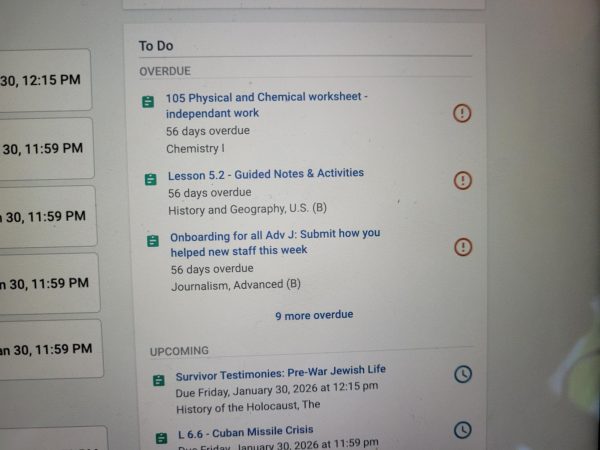
If you miss countless days of school, you might miss process assignments and fall behind in the material. Those will help you later on, in finals and mastery projects. The process work your teachers assign might be annoying, but they do prove to help you get extra practice before showing what you know on a real test. They might not amount to many points, but they are valuable to the learning process.
“[Being in school] also helps you better understand the topics and get better grades!” says Raupp.
If you don’t think the days you miss add up, you’re wrong. When you miss days of school, even if they are spread out and not consecutive, they do add up to missing lessons and important information your teacher has for you. It can affect your grades, and lower your GPA, which affects college admissions.
If you can prevent illnesses and missing school when you can, it will help you in the future. That being said, not pushing yourself through the tiredness and sickness is also a way to take care of yourself. When you feel sick, and know you need to rest, take that opportunity to allow your body to fight off infections and illnesses. You know your body better than anyone else. If you need something, advocate for yourself and do what you need to do to take care of yourself.
“[Take] a break if you need it,” says Delis.