Chances are, you’ve heard of Star Wars: an intergalactic tale of good versus evil. Throughout this franchise, the media takes place across space and the fictional planets that reside in it, with a rotating cast of characters. The latest series to be added to the franchise, Andor, takes place between the end of the Star Wars movie, Rogue One, and the TV show, The Clone Wars, after the collapse of two warring governments. Andor follows soon-to-be rebel Cassian Andor as he navigates a volatile political landscape and unintentionally finds his place in the galaxy.
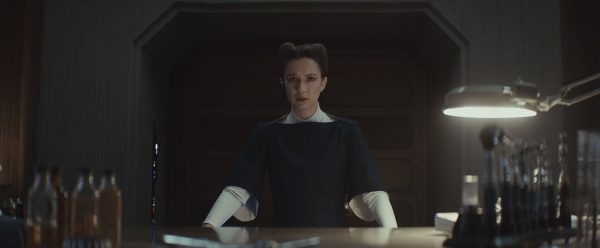
Art is not just an expression, it’s a reflection. A reflection of what people think of the world and how they experience it. A closer look at Andor reveals a thin critique of the U.S. government. In season one, Andor is stopped by Imperial officers while passing a group being arrested for acting “suspicious.” Later, he is wrongfully convicted and imprisoned by the Empire, forcing him to labor on the Death Star’s construction. When watching, I couldn’t help but think of the United States’ current deportations and detentions of both legal and illegal immigrants. The in-universe media depictions of the Ghors echo the very real troubles Palestinians go through with the media (an issue Denise Gough, the actress who plays Dedra Meero, has spoken out on).
However, at its core, Andor is mainly entertainment. And it does a damn good job entertaining. The show manages to keep audiences on the edge of their seats while relieving the tension with funny moments or heartfelt character interactions. They’ve perfected the art of pacing: letting moments linger while moving quickly and chaotically through tense scenes. This places viewers directly alongside the characters. Whether it’s the head-crushing pressure of the robbery and escape, or watching the rebels carry a wounded partner into their escape train after a successful strike, the pacing, the music, and the cinematography place us in the scene beside the characters.
The episodes flow beautifully into each other, and despite speeding up in season 2, they still remain consistent and connected. We can see the characters, mostly Cassian and his love interest Bix, slowly being worn down by the work they’re doing for the rebellion, keeping us out of touch with the characters so we feel the years passing between episodes. Yet it also connects us to the even bigger picture, speeding up at key action moments so that we feel the rush of Rebels and Imperials to make a bold move against the other. The finale of the series leads us right to the beginning of the movie Rogue One.
Andor’s ability to reflect the chaos and uncertainty of everyday life marks a new start for Star Wars. No longer is it just space magicians battling with light sticks while the actual impact on real people is left in the background. Now, we are confronted with how much empathy we will extend towards fictional characters but hesitate to give to the people around us in real life. Whether they be across the sea, or held in detention centers here in the United States.
But the real-world inspiration doesn’t take away from its origin as a piece of the Star Wars franchise. Filling the hole between the end of The Clone Wars and the first major clash between the Rebellion and the Empire, Andor is absolutely phenomenal and should be your top pick for a holiday binge.