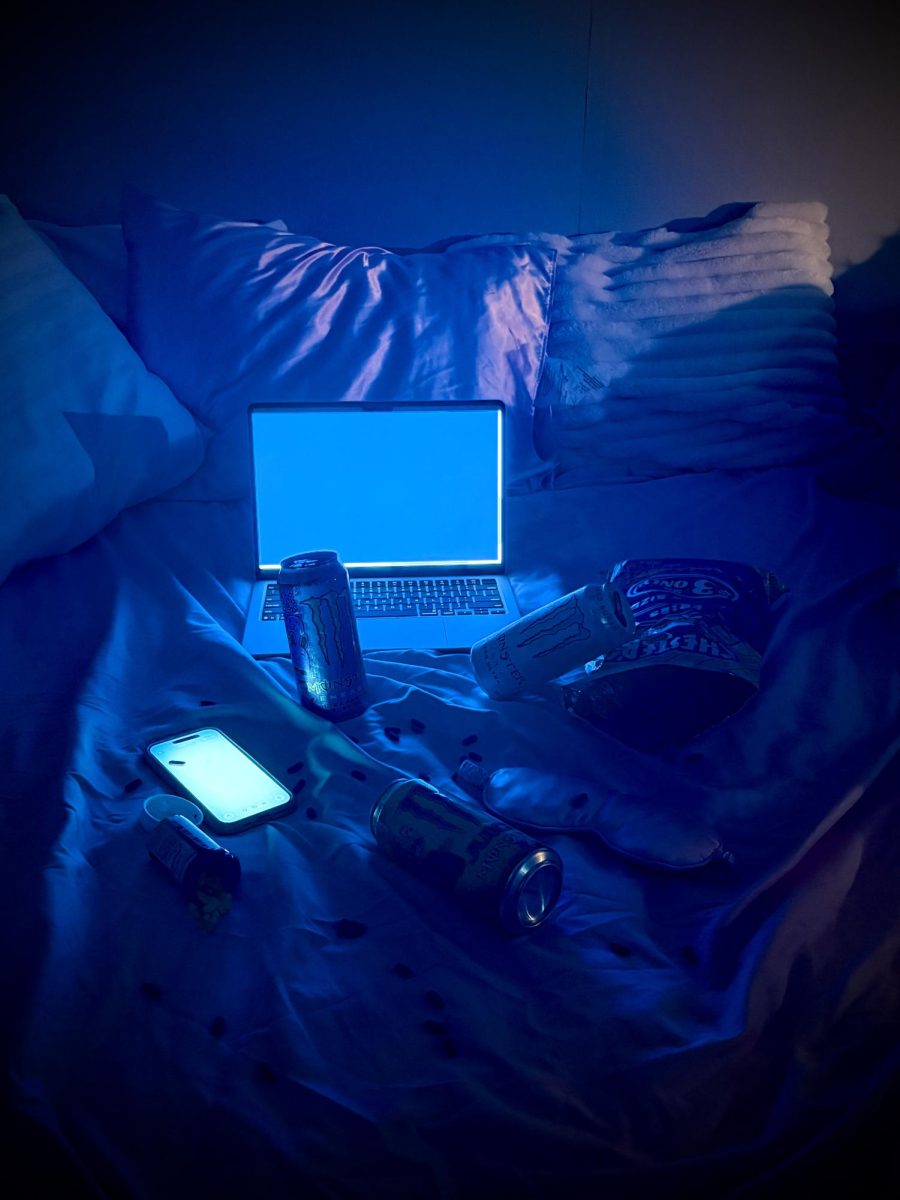
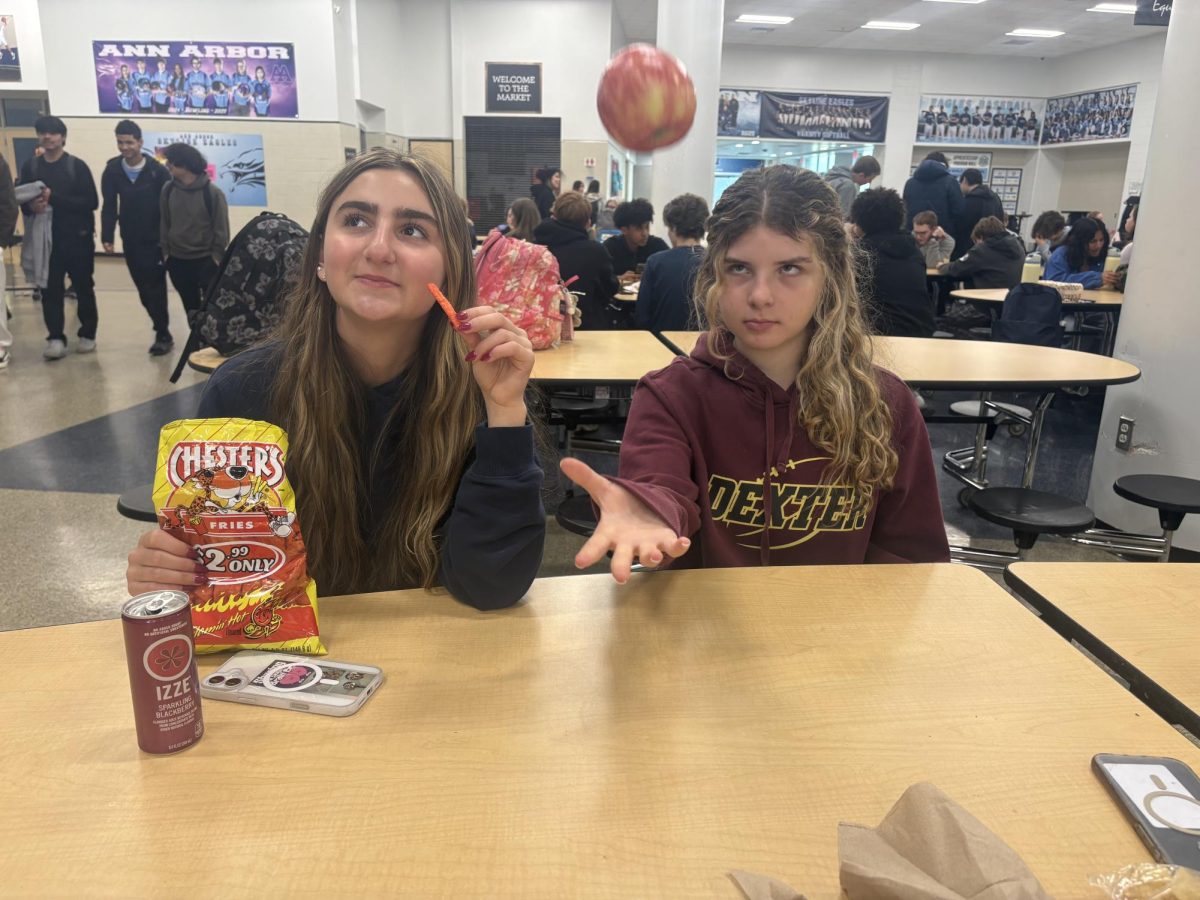
From iced coffee to bright colored Alanis, caffeine is a typical sight at Skyline. Students can be seen sipping on an energy drink in the library while studying for a test or drinking a coffee on the way to school in the morning.
Many students have incorporated caffeine in their day to day routine for a variety of reasons, one of them being to help them feel energized and to prepare for a day at school, if they were busy the night before.
“Sometimes I just really need the energy,” says Ellie Dziedzic (‘29). “In the mornings when I’m tired… and I didn’t get enough sleep.”
Other students drink caffeine to help them power through their homework after school.
“It gives me an energy boost after a long day of school,” says Eleanora Ritter Varela (‘29).
According to a study from the National Institutes of Health (2019), almost 75% of children and teenagers consume caffeine regularly. Students have also observed a range of effects, some positive and some negative.
Caffeine consumption can affect teenagers differently from adults due to the developmental period they are experiencing. According to the National Institutes of Health (NIH) in another article, they state caffeine intake during adolescence is especially concerning because your prefrontal cortex is developing in preparation for adulthood. The NIH says, “Sleep is critically important for this brain development, but high caffeine intake is associated with sleeping problems and daytime sleepiness in adolescents.”
Other negative effects of caffeinated beverages have been noticed by students including an increase in anxious feelings. “It makes my anxiety go up,” says Amelia Misch (‘29). “I get super shaky, I get hyper.”
Although energy is a main motivator for drinking energy drinks, students also choose to drink it because it tastes better than most caffeinated alternatives. Dziedzic says she enjoys caffeine drinks “because they taste good.”

Energy drinks and coffee have also been described as being “aesthetic” as a motivator for students to study. “[I] feel like I’m… cutesy,” says Maya Neblett (‘26). “I don’t feel motivated to study if I don’t have a cute drink with me.”
Some regret their choice to try energy drinks just because of their popularity, later finding out the negative effects that come with caffeine. Such as nervous habits, an adverse effect on brain development, and overall poor consequences for your health. “Everyone drank an energy drink, and I thought that energy drinks were good for you,” says Misch. “But they’re not.”
If you find yourself struggling with stress and feel tempted to reach for a caffeinated drink for a temporary energy boost, consider using a more long-term solution. Health experts from the NIH say to avoid excess caffeine. Instead, you can practice healthy stress-management strategies regularly, like getting good quality sleep, exercising, and eating healthy.