Teachers’ Work-to-Rule Actions Raise Concerns, Offer Students a Close-Up Look at Collective Action
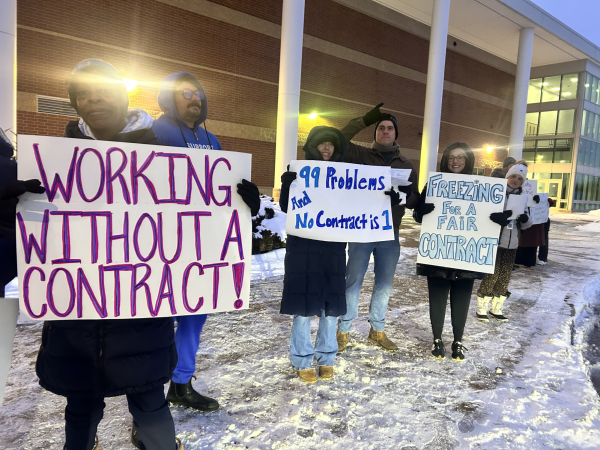
As of February 9th, Ann Arbor Public School teachers have begun a work-to-rule collective action, as contract negotiations with the district remain unresolved. The change means teachers are only completing duties outlined in their contracts, during paid hours only, which has led to a loss of many extracurricular activities.
Work-to-rule differs from striking, which is illegal for public school teachers in Michigan. Teachers will continue teaching classes and performing behind-the-scenes duties, but only the parts explicitly outlined in their contracts, and nothing more.
“Many teachers have done additional work beyond their contract for a long time because we teachers care about students, their experience, and ensuring they have every opportunity to reach their potential,” says MEA Member Organizer Monica West-Jones. “But after decades of accepting wage cuts, and now being refused the written promise the district made to us a little over a year ago, teachers have realized that continuing to accept these conditions that require many of us to work second jobs, or even third jobs, is actually doing a disservice to our students by showing our students that they must accept less for themselves.”
Teacher compensation is the central issue in negotiations right now. AAPS’ top end salaries fall behind those of districts similar in size.
“When you start entering the 10th to 15th year of teaching, you lose thousands and thousands of dollars in salary compared to teachers in other districts because of it ,” says AAEA Union Representative Gabriel Rettaliata. “Since our retirement pension is based on our three highest earning years, we lose out on retirement savings, too.”
“The bargaining process between the district and the union has recently broken down between the district and the union, so it has gone to a third party mediator,” Rettaliata says. “We will just have to see where that goes.” As of March 6, it is unclear when we can expect resolution.
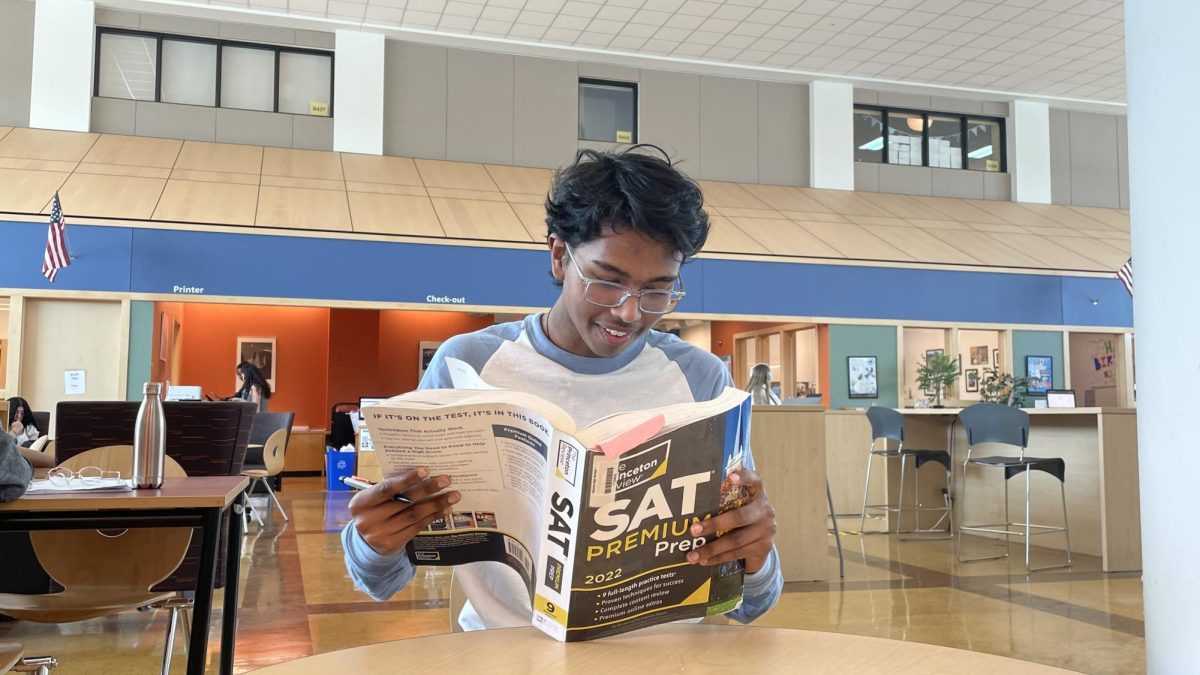
The shift to work-to-rule has impacted students, particularly those preparing for college admissions. As many club activities and recommendation letters rely on teachers volunteering additional time, students are concerned.
According to union representatives, if work-to-rule is continuing into recommendation season, teachers will have to decide when and how they would get letters of recommendation done during school hours.
“As a current junior, this has affected me a lot because college applications are coming soon,” says Darsh Vats (‘27). “I understand teachers have reasons for what they’re doing, but our college timeline doesn’t stop. Applications, transcripts, recommendations all have deadlines.”
Some student organizations and clubs have already had to cancel or delay events.
“We were planning a summit for Asian American Youth in Ann Arbor,” says Asian American Youth Club Vice President Eden Lee (‘27). “But now we can’t plan it, and have to move it. We had to tell speakers and our other partners that we had to reschedule it less than a month before we were going to host.”
Students have been kept in the dark about the ongoing struggle between the union and the district, and report that they wish to see clearer communication about what is happening.
“I am concerned about the lack of transparency from the district,” says Joowon Lee (‘28). “I know almost nothing about the negotiations.”
Teachers say students and families can also play a role in the process. “We need as many people advocating to the school board as possible, whether it be students or parents,” says Rettaliata.
Students have already started taking action to support teachers. “Right now, I’m working on a student petition to the school board to support teachers,” says Vats. “I think students deserve clear and simple updates so we understand what is going on and what to expect.”
Union leaders hope students will see this as an opportunity to learn how to be an active citizen. “I think teachers demonstrating this aspect of a functioning democracy will help broaden our students’ ideas of what participating in an active democracy entails,” says West-Jones.