Most students wake up in the winter praying for a snow day, mad at their alarm and the thought of dredging to first hour. For many students, the AAPS Snow Day Calculator Instagram account has become the first place they check for answers or to check the odds on the next day. But who’s pulling the strings behind the account?
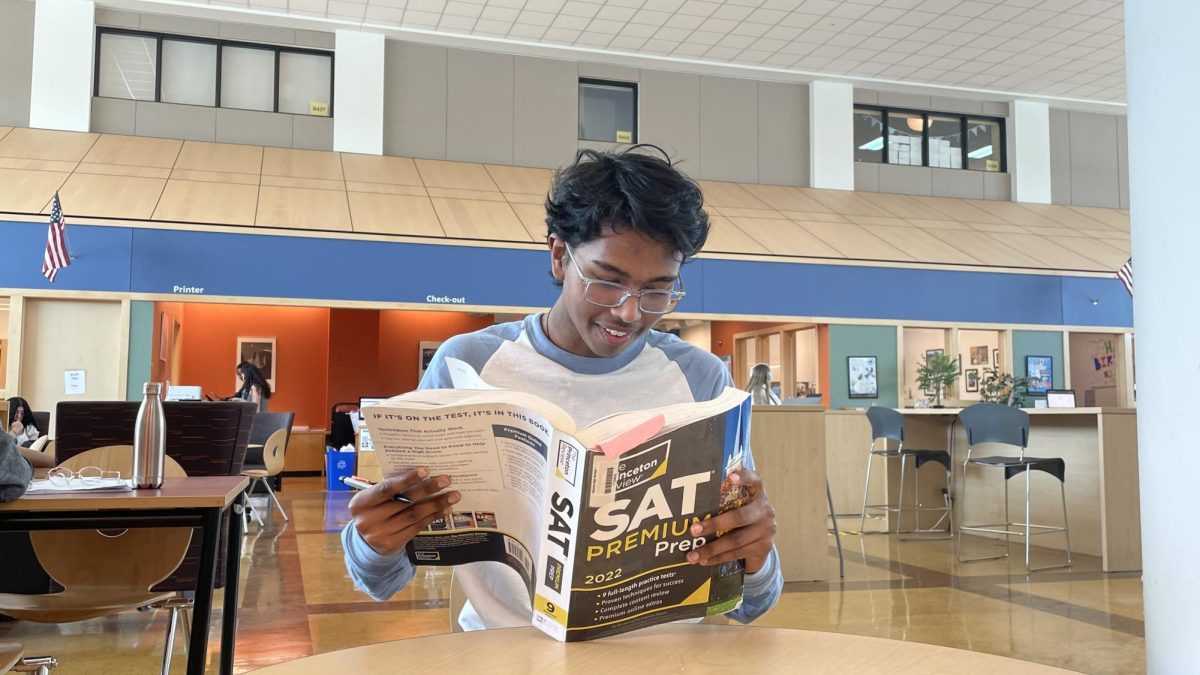
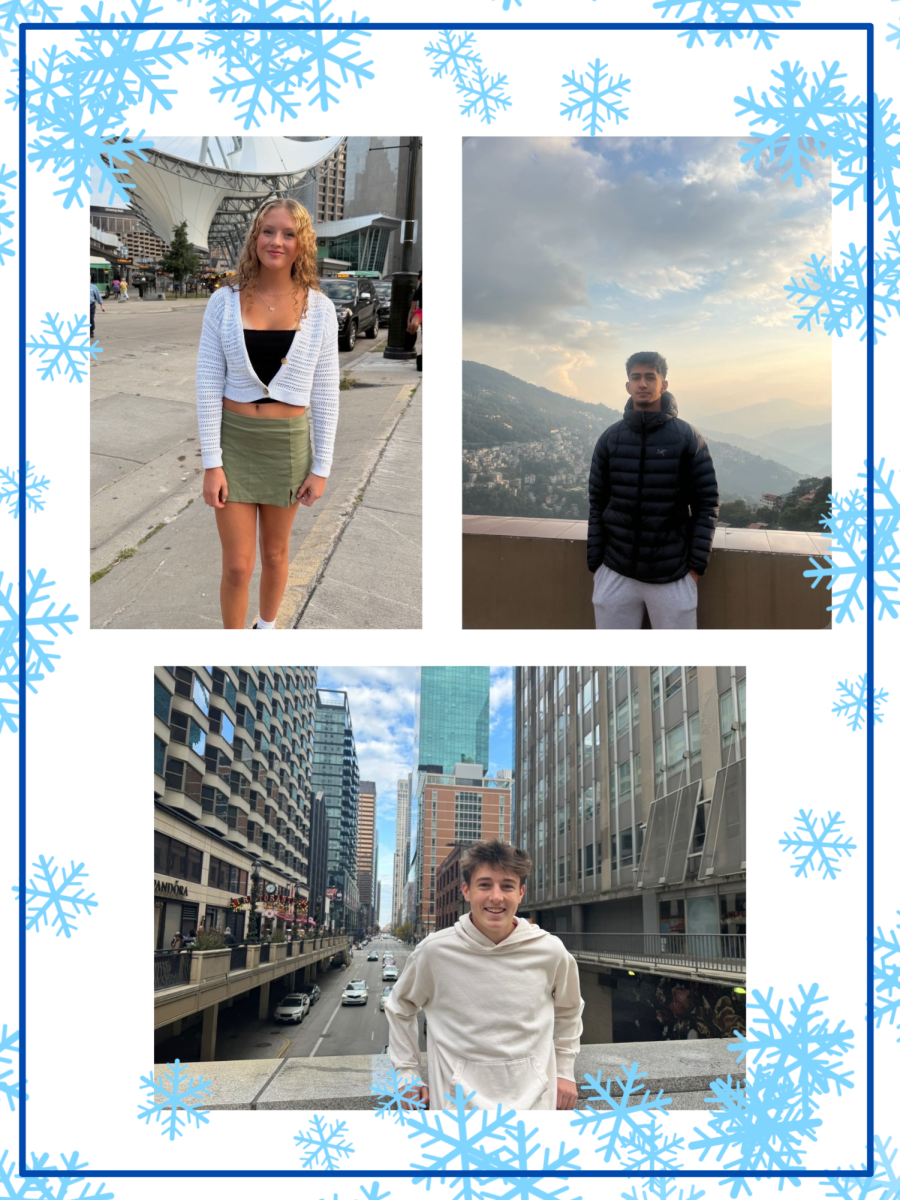
Skyline Students Mihir Anand (‘27), Rebekah Klein (‘27), and Garret Comer (‘27) run the popular AAPS Snow Day Calculator account on Instagram. What started as a fun idea in class, stemming off a snapchat story about snow days turned into something the whole district follows and has amassed over 2,000 followers.
“We had a bunch of snow days,” Klein said. “The other owners and I were in AP Environmental Science together. We were just learning about weather, then we decided to make this.”
The account continued to grow from there, but the processes behind the percent predictions is as interesting as the posts, using real data and research.
Anand handles most of the research behind the posts, basing them on official forecasts and reports. “We use weather.gov, mostly. It’s a government weather source,” he explained. “Then I also use different radars… like Accu weather to know when the storms get hit.”
Teamwork is an essential key to the success of the account. While Anand takes the center role in making predictions and researching data, the other owners focus more on making the posts and graphics. “Mihir makes the predictions and uses the resources to give us the information. Then Garrett and I make the layout and post it,” says Klein.
The decision of what to post also relies heavily on teamwork and depends on the hype around school. “Usually we post on days we think we have a high chance of snow days, or when there’s a lot of talk about them,” Klein says. “Then if there’s not a big chance, we won’t.”
Running the account is fun most of the time, but it also comes with the pressure of getting predictions right. Both Anand and Klein said the hardest part about running the account is “people getting mad at us.” Whenever there’s a high chance of having a snow day, there’s always a chance the district won’t actually pull the trigger.
However, the calculator has been accurate this year. On the last three snow days, they predicted an 80% chance, a 70% chance, and a 45% chance. While they only give percentages, their recent predictions have closely matched what actually happened.
For a student like Arvind Bharadwaj (‘26), the account has become a part of his routine whenever he thinks there’s going to be a snow day. On an average snow day, he said, “I sleep in, I go to the gym, I get some work done, and watch TV.” But in the days before that he constantly checks the calculator. “I think they’re pretty accurate,” Bharadwaj said. “They give it to us straight up. They keep it real with us.”
For next year the founders will keep it going, so keep looking out for the next predictions and posts from the calculator. The trio has discussed potentially passing it down after graduation. Anand said they’re already “researching some candidates.”