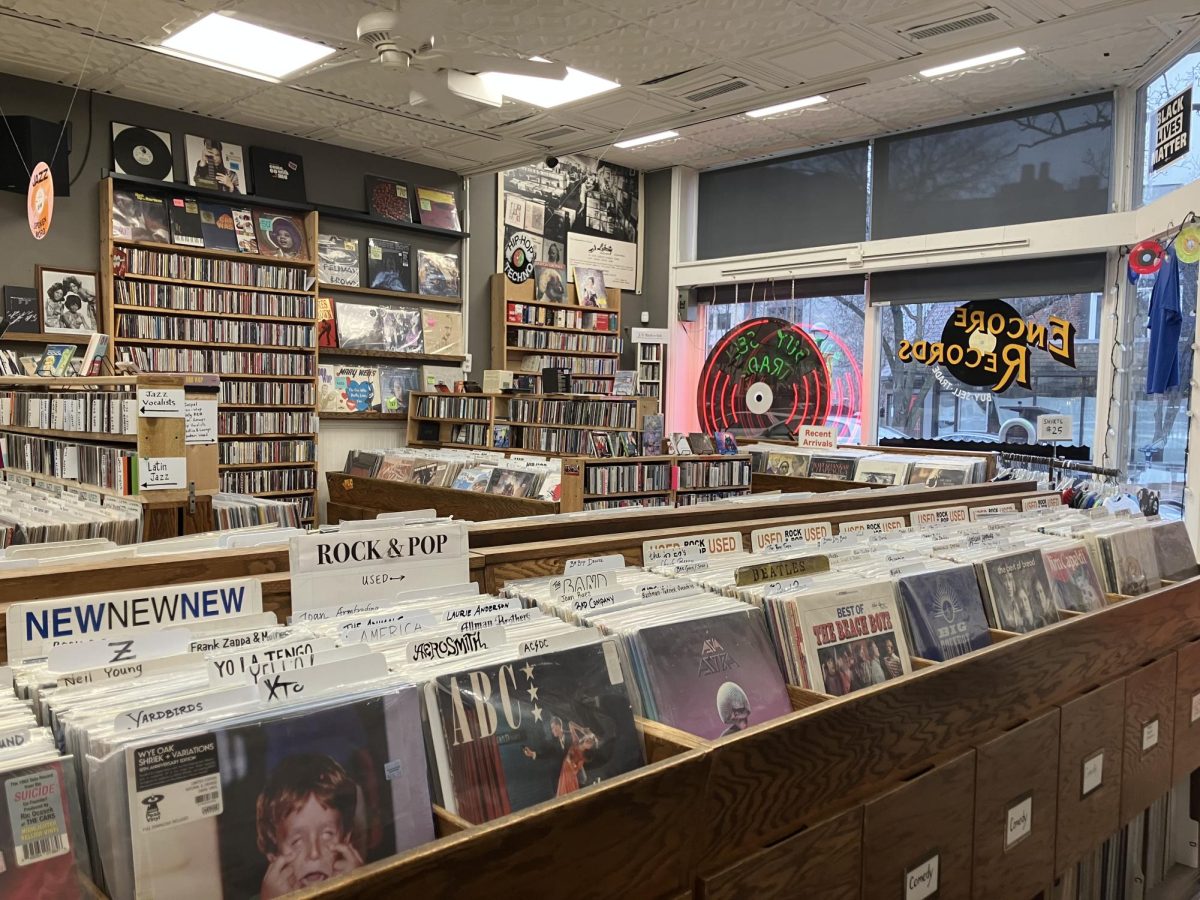
It’s official – streaming music digitally is out, and physical music is back in.
In an era where students can listen to anything by putting in airpods and quickly clicking on their phone, no one would guess that teens have started to listen to records, CDs or cassettes again. And yet, many students have begun to return to the real roots of music: physical media.
“Vinyl has been sort of resurgent for a while now,” shares Jim Dwyer, co-owner of Encore Records. “People are beginning to figure out that streaming sucks, it’s expensive, you can’t always rely on it, the things you’re looking for aren’t there, and artists get ripped off big time.”
“Younger generations have begun to buy physical media again. For them, it’s new, because they didn’t grow up like when I was a kid, when records were all that we had [ . . . ] Now, there’s people who just grew up with streaming. For them, it’s all new, and it’s fun to get into something that pre-existed.”
Despite all of its benefits, physical media can get expensive. Streaming music can be more affordable, but artists tend to not be as well compensated by streaming services. Buying physical media directly supports an artist and appreciates their art on a deeper level.
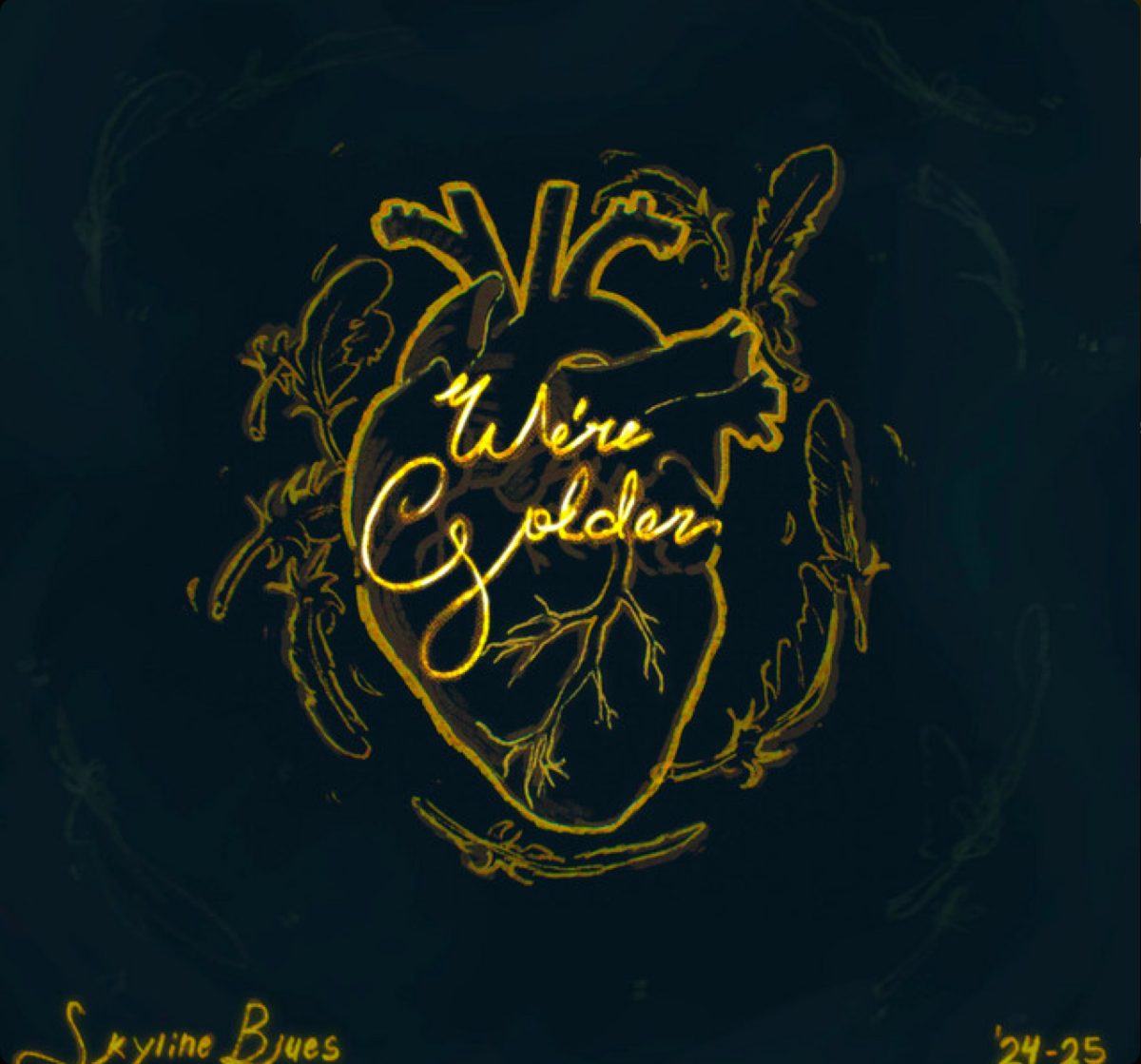
“I honestly think that it’s good that physical media is a little bit more expensive, because when you’re directly supporting an artist, you appreciate their work enough to go out of your way and buy a physical object that holds their art,” reveals Owen DeVries (‘27), avid music listener, artist, and CD creator. “When you’re doing music for a living, you need money to live, and being able to get that kind of support is pretty necessary.”
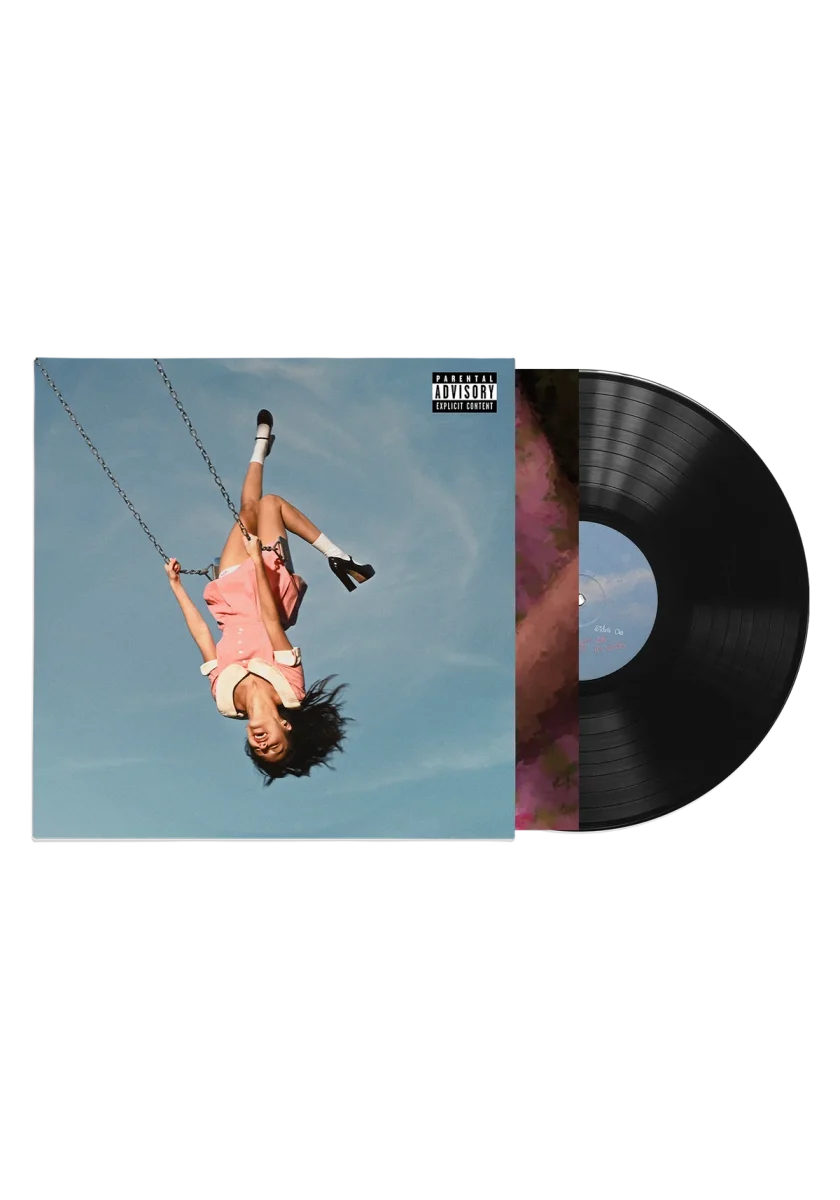
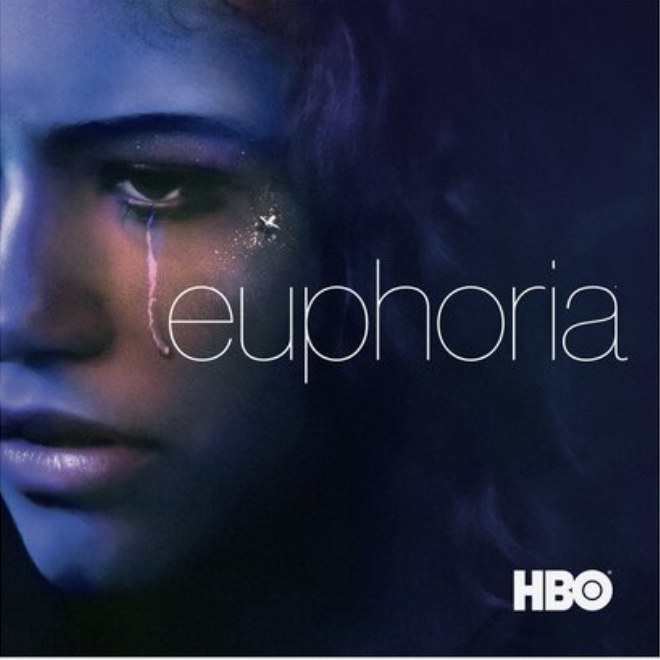
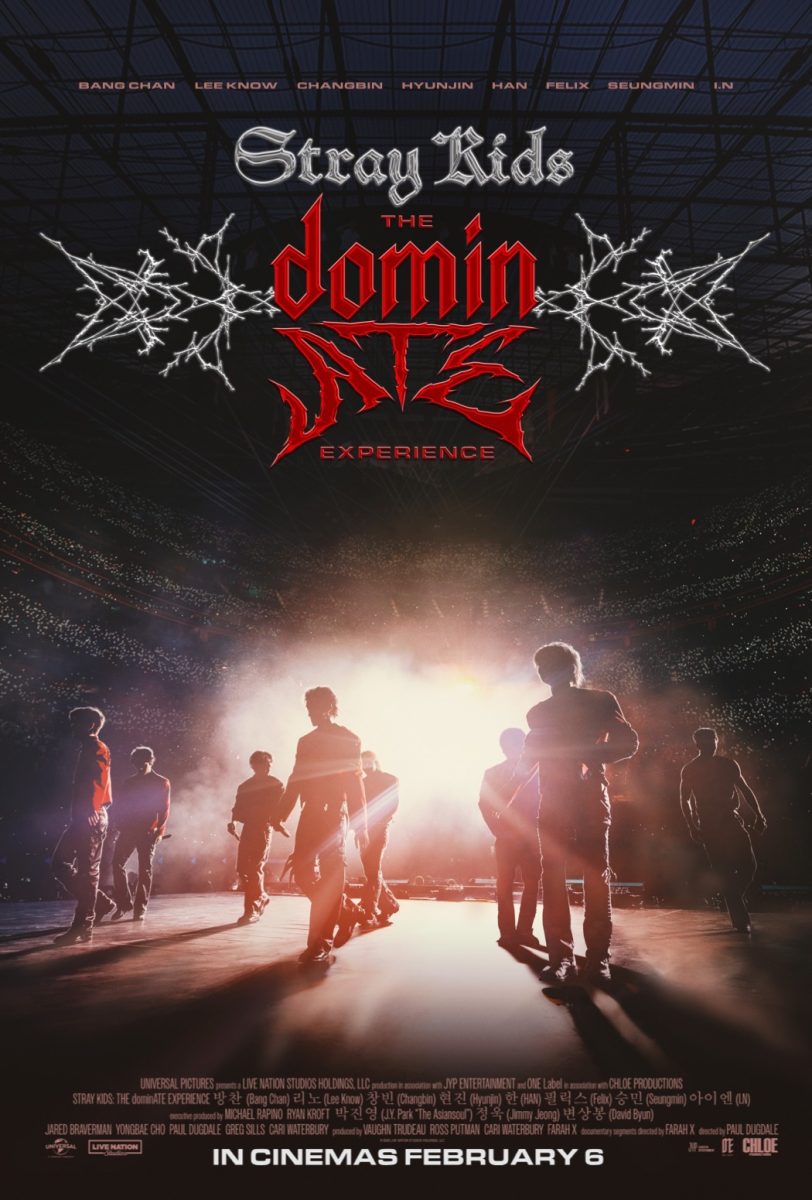
In a digital world where screens are pushed in front of their faces, teens are more hungry than ever to connect more deeply with music and to own something permanent. By buying a physical recording, it doesn’t just support the artist, but it also creates a meaningful connection, through appreciating artistic choices like the color, the cover, the album art, and bonuses like posters.
“I definitely feel a lot more connected with the artist, especially if I have some sort of physical media that they put themselves into,” explains DeVries. “For example, they make album covers and CD art. They designed this CD that has their album on it that they’ve handcrafted. It’s a lot more special to have something that they’ve spent that much time on, as opposed to just streaming one song off of Spotify or YouTube. I think you can feel a lot more connected through something like a physical piece of media.”
Song order is also an example of artistic choices. Tracks are arranged in a strategic order in an album for a specific listening experience. Hearing full albums on physical media can also introduce listeners to less popular songs. “I feel like albums are very cool because you learn more about the band with all of their different songs and overall narrative in their presentation,” shares Skyline math teacher Mike Lovelace. “When you listen to the radio, you hear whatever the majority thinks is their most famous song, right? I think you get to know the band better by listening to their entire album.”
Physical music isn’t going anywhere, either. Even if their popularity ends up a short lived trend for teens, records, CDs and cassettes can outlive generations.
“Human beings are gatherers, they like to collect things,” reflects Dwyer. “Nobody gets to keep their record collection. You’re just the caretaker of it until you pass from this earth, and then other people will enjoy the records that you took care of while you were collecting them. So I think as long as human beings like to collect things that are cool and that bring them happiness, people will be collecting physical media for a long time.”