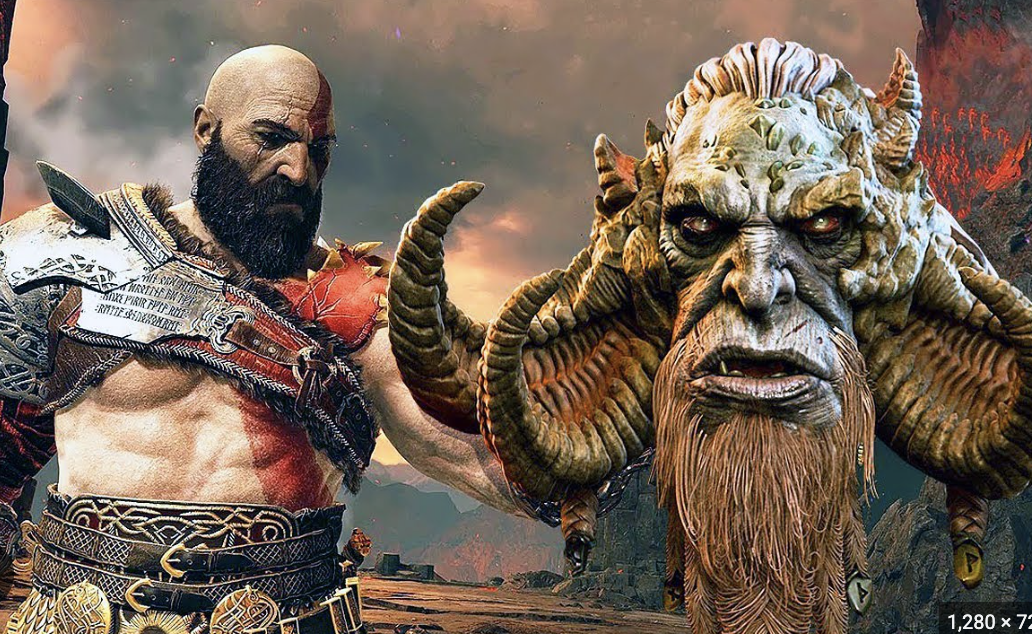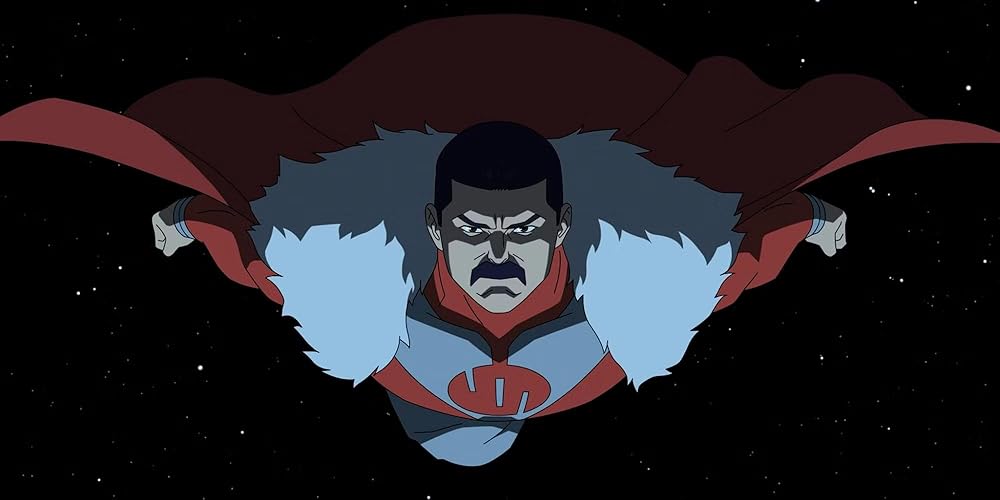
NPCs are non-player characters that usually help you throughout the game or serve as filler to make the game more lively. In a lot of video games, not every character you see is controlled by a player, but they still play an important role in shaping your game experience.
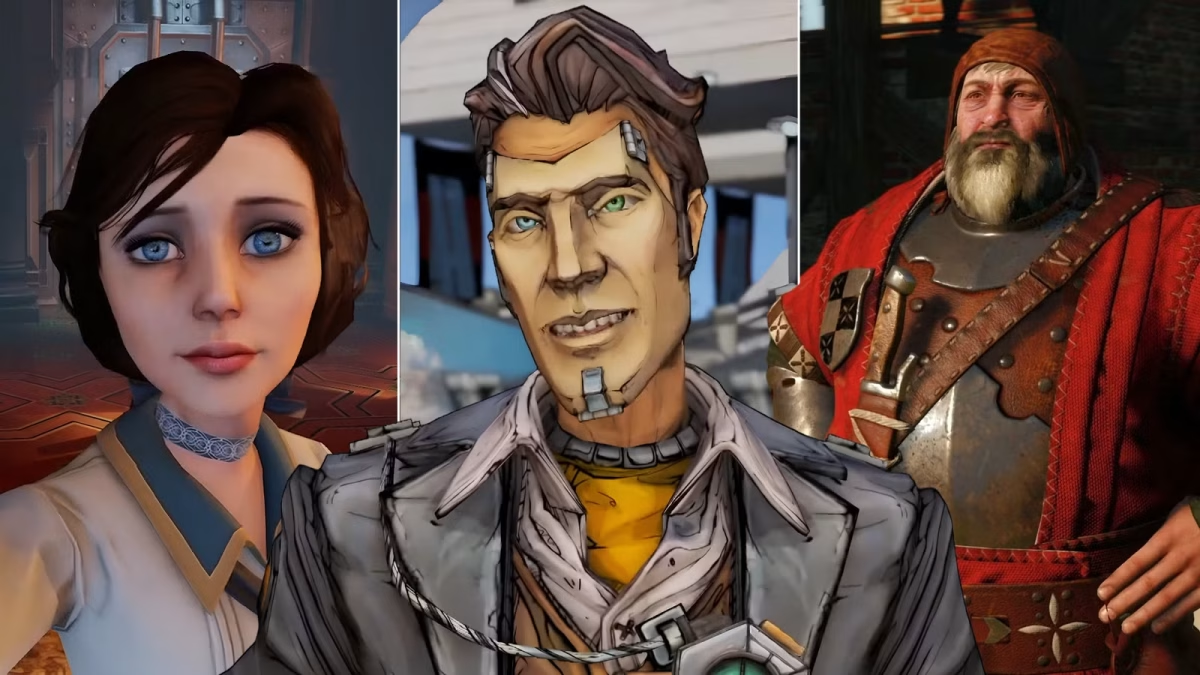
Some creators make NPCs realistic and advanced. Some of the best examples come from games like Elden Ring, Borderlands 2, and BioShock Infinite. Goldmask from Elden Ring barely speaks at all, but players get curious because he is mysterious, and you also have to explore around the map to understand why he is quiet. Elizabeth from Bio is a realistic one because she acts naturally as a normal human would, and you might think she might be an actual person stuck in a video game. Handsome Jack is also an advanced NPC. He gets angry a lot and has tons of outbursts that make him unpredictable, not just some basic villain. These type of NPCs stands out because they have real human emotions, personalities, and stories to their characters. They also don’t repeat the same lines over and over again.
NPCs are linked to you because they are needed for events, story, and dialogue, ensuring they interact with the player so the game can run smoothly. Most modern games use systems that handle spawning NPCs around the player; this allows the player to complete a quest without it being a solo endeavor, such as Warframe. When you do missions there, they want you to work with a team because of the difficulty.
“But why do they teleport to be connected to the player?” asked Ta’Varius Payne (‘26). Main-story NPCs can be teleported via game code to other locations. This helps developers keep the story moving, avoid delays, and make sure players see important characters at certain times.
People need to know whether an NPC can move on its own or not (AI moves the NPC, and you don’t know it) when you’re not online and playing the game. “When they have time to travel, it’s when they don’t,” mentions gamer Khristian Pearson (‘28). This means the NPCs are just teleporting rather than traveling on foot.
So, what happens to the NPCs when you stop playing or complete the game? If the system they would be running on were to stop, the NPCs would also stop. If developers let the NPCs keep running in their games while the players are away, it would actually be a cool thing.
An idea I had is that when you’re away, the NPC can do certain things for you, like leveling up and collecting things. “After the game is finished, they’re doing their own thing, bro, his own thing, playing the game,” says Pearson.
NPCs are important to the game and are also the main characters that affect the story. They also cause progression of the game. Players might not notice anything; NPCs are controlled by the system, and they have a game code where they can appear and disappear or even teleport when needed.