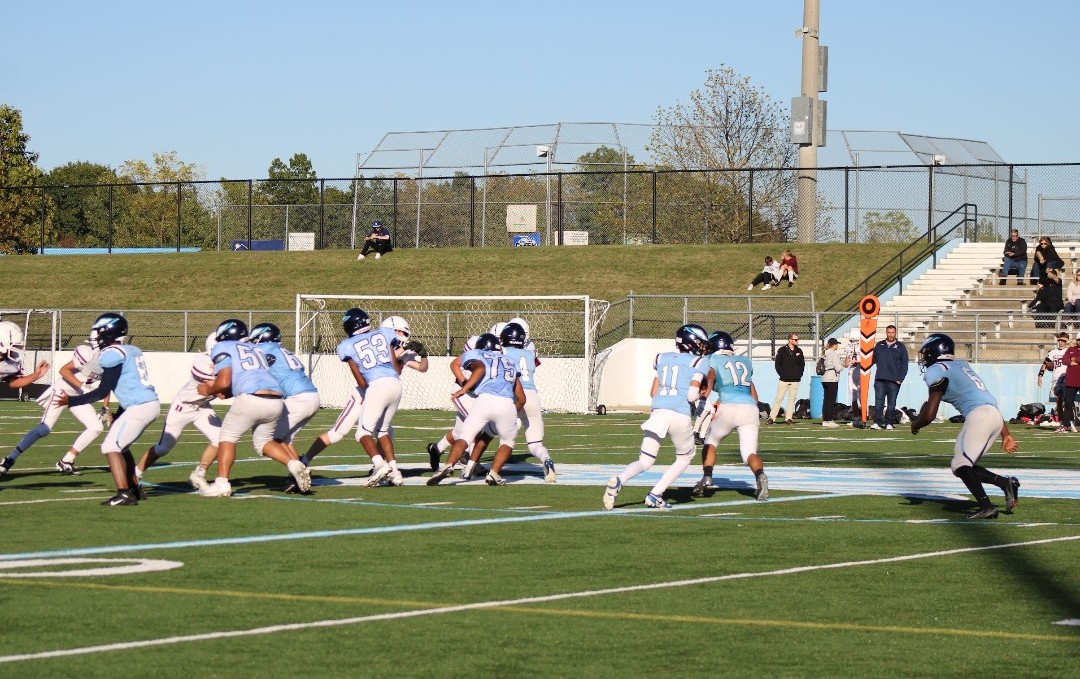
Many Ann Arbor students want to play football, but must wait until high school. Because middle schools do not offer football teams, students miss the chance to learn simple basic skills. This makes it tough for many players to enough time to practice and learn if football is the right sport for them.
According to athletic director Delsie Sissoko and head coach Broderick Smith, some Ann Arbor middle schools in the past had football programs, but most stopped offering it around the year 2000. The reason? At Forsythe, they wanted to build other things and have other sports for the school. Football cost too much and they saw it as dangerous.
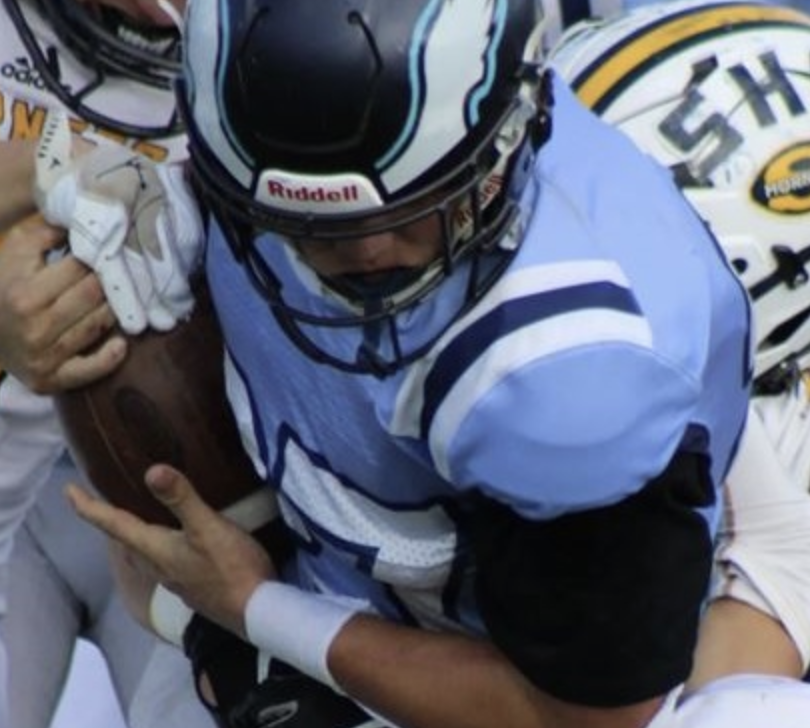
Many former Forsythe Middle School students feel they would have benefitted from an opportunity to play football earlier. “They could have made a football team,” says Skyline football player Lathan Nundley (‘29). “So we could prepare for high school football and have something to look forward to after school.”
Based on the information that I know about coach Smith, he would want the kids to have the opportunity to play on teams for experience. So in high school the kids that want to play football are more prepared. “Middle school football teams,” says Skyline head coach Broderick Smith. “Used to give students extra time to learn without feeling the pressure of high school academics.”
“We had seventh and eighth grade football teams in [my] middle school,” says Smith. “Middle school was fun, more about getting better as a player. High school was more about winning and mimicking our top college and pro players back in my day.”
One of the main reasons there are no middle school teams is because not every school can afford it. “Safety gear, field space, transportation, injuries, and money all play a role,” says Skyline Athletic Director Delsie Sissoko. “Sports are a lot more expensive than most after-school clubs.”
Ann Arbor football players start behind players from other districts who already had a year or two of experience. Many of the teams we play against have middle school football programs. Their players come to high school with one or two years of experience.
Because of this, our players often start behind. ”We don’t learn the basics early,” says Yacoob Alhefady (‘29). “We miss the chance to see if football is even the right sport for us. It also means fewer chances to build teamwork and confidence before high school.”
The question now is whether the district can find a safe, affordable way to bring middle school football back or whether another generation of athletes will have to wait until high school to start. “It gives [the players] opportunity to improve on football IQ,” says Smith. “It helps with confidence and understanding of the game.”