With finals being at the end of next week, students are cramming last minute late work. Pulling all-nighters to remember units from the beginning of the trimester and retaking mastery assignments for the best score possible.
In order to prevent a high level of stress and chaos, it is important to develop strong studying habits. Below is a guide on some hacks to help you study to your fullest potential.
- Prioritizing Yourself: oftentimes, when students are met with an upcoming deadline, we can pull all-nighters, procrastinate, and give ourselves no breaks. During this time of overload, it is important to take care of yourself.
- Breaks: try to break up your studying time. Go for a walk. Tidy up your workspace. Move around. Eat a healthy snack/meal. Practice mindfulness. Study breaks help increase productivity, renew your energy and increase focus.
- Get Enough Sleep: sleep increases the brain’s capacity to concentrate and plays an active role in retaining knowledge. Aim for 7-9 hours of sleep per night to enhance focus and memory.
- Procrastination: when it comes to studying and school work, it is in your best interest to try and eliminate all distractions. Try to find a quiet space that will have few interruptions. Try leaving your phone in another room.
- Eat Healthy: try to eat balanced meals and stay hydrated. It is best if you avoid excessive caffeine and sugar. Our brains work a lot better when we are meeting our body’s basic needs.
- Mix Up Study Techniques: avoid normal study techniques like rereading notes, textbook passages, or highlighting. This repetitiveness doesn’t fuel the brain as well as other approaches. Instead, try the following strategies:
- Practice tests.
- Summarize the material in your own words.
- Teach the concept to an inanimate object or a family member.
- Use acronyms.
- Flashcards.
- Kahoots.
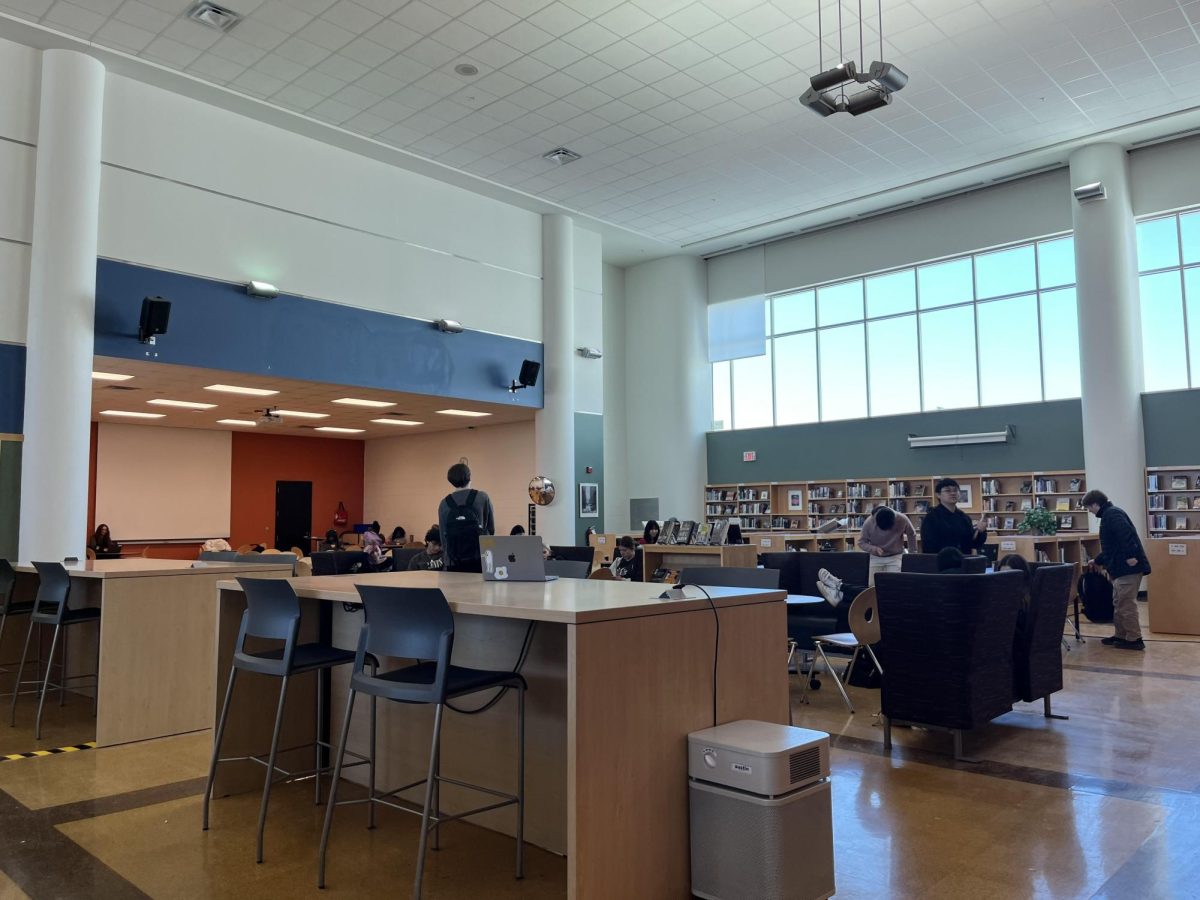
- The Right Study Environment: while this part of studying doesn’t usually cross our minds, it can really help the brain get into the correct zone. Find a study space that minimizes distractions and can help you maximize your focus. It should be a space that accommodates a desk, a comfortable seat, and proper lighting. Then turn the space into your own study sanctuary. Maybe find some music genre that helps you lock in even more. Even if you don’t have access to a quiet study space, noise canceling headphones can go a long way.
Taking a more strategic approach to your study schedule can help you with both retaining information better and reducing stress levels. Take some time to plan out how you will study and take advantage of the resources available. Finally, take a breath and remember that at the end of the day a grade does not define you.
Source: author and friends’ study experiences and information from AP Psychology, here at Skyline.